Transcranial Magnetic Stimulation, commonly referred to as TMS therapy, is a non-invasive treatment option that has gained attention for its effectiveness in addressing mental health conditions such as depression and anxiety. Unlike traditional approaches that rely heavily on medications or invasive procedures, TMS therapy uses magnetic fields to stimulate specific areas of the brain that are linked to mood regulation. tms therapy albany ny For individuals in Albany, NY, this treatment option has become a promising solution when other methods may not provide sufficient relief.

How TMS Therapy Works
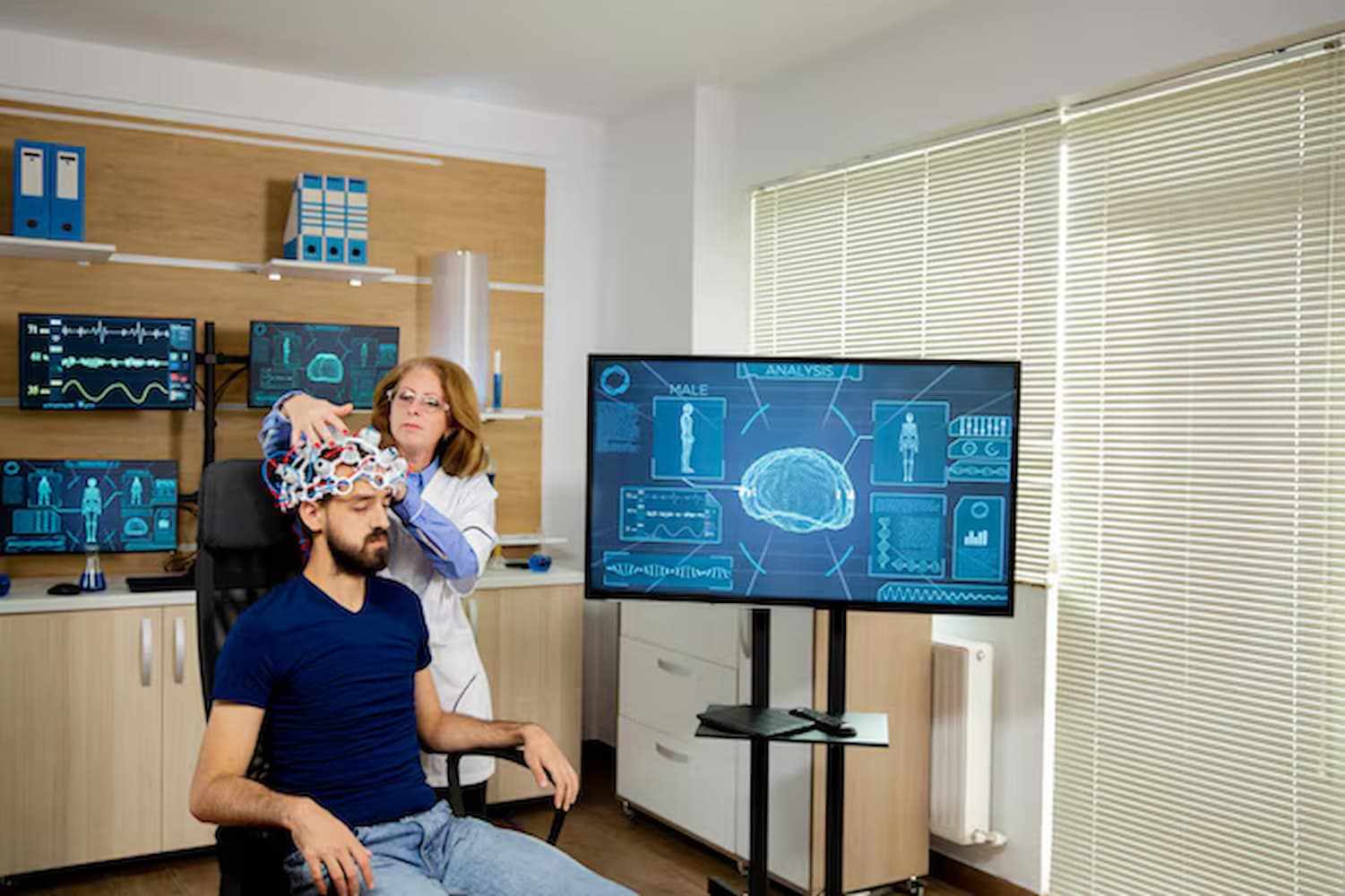
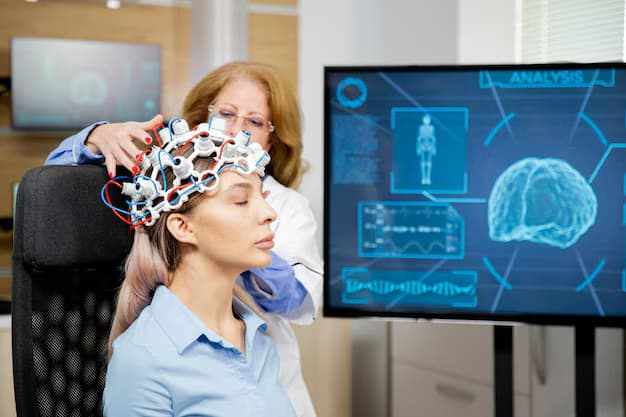
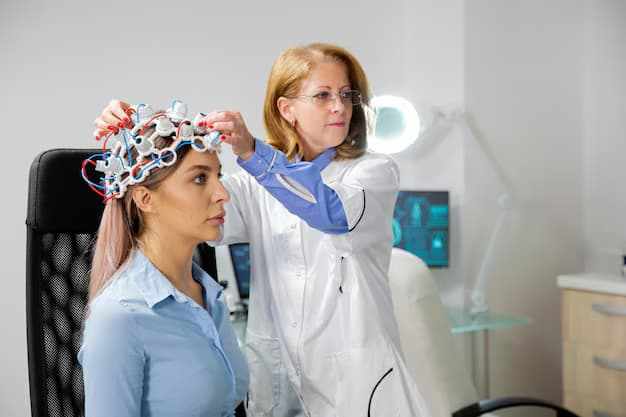
The process of TMS therapy involves placing a specialized coil near the patient’s scalp, usually above the region of the brain associated with mood control. The coil emits magnetic pulses that pass through the skull and activate nerve cells in the brain. Over a series of sessions, this stimulation helps reset neural pathways, which can improve mood, reduce symptoms of depression, and support mental well-being.
The Non-Invasive Advantage
One of the key benefits of TMS therapy in Albany, NY, is that it does not require anesthesia or surgery. Patients remain awake and alert throughout each session, which typically lasts between 20 to 40 minutes. Because it is non-invasive, TMS therapy carries fewer side effects compared to medications, making it an attractive option for those who have struggled with traditional antidepressant treatments.
Conditions That TMS Therapy Can Address
Depression and Treatment-Resistant Depression
TMS therapy is often recommended for individuals experiencing major depressive disorder, particularly when medications and talk therapy have not provided adequate improvement. This condition, known as treatment-resistant depression, can be especially difficult to manage, but TMS therapy offers an alternative that directly targets the brain.
Anxiety Disorders
In addition to depression, TMS therapy in Albany, NY, has shown promise in helping individuals with anxiety disorders. By calming overactive neural circuits, the therapy can reduce symptoms of constant worry, restlessness, and tension that are common with anxiety.
Other Emerging Uses
While depression and anxiety are the most common conditions treated with TMS therapy, ongoing research is exploring its benefits for other mental health challenges. These include post-traumatic stress disorder, obsessive-compulsive disorder, and certain neurological conditions. As research continues, the potential applications for TMS therapy may expand further.
What to Expect During TMS Therapy
The Initial Evaluation
Before beginning treatment, patients undergo an evaluation to determine if TMS therapy is appropriate for their condition. A healthcare provider assesses medical history, current symptoms, and prior treatment experiences. This step ensures that TMS is used safely and effectively.
Treatment Sessions
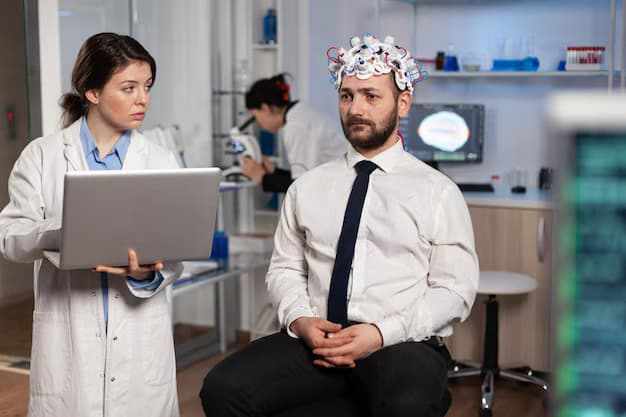
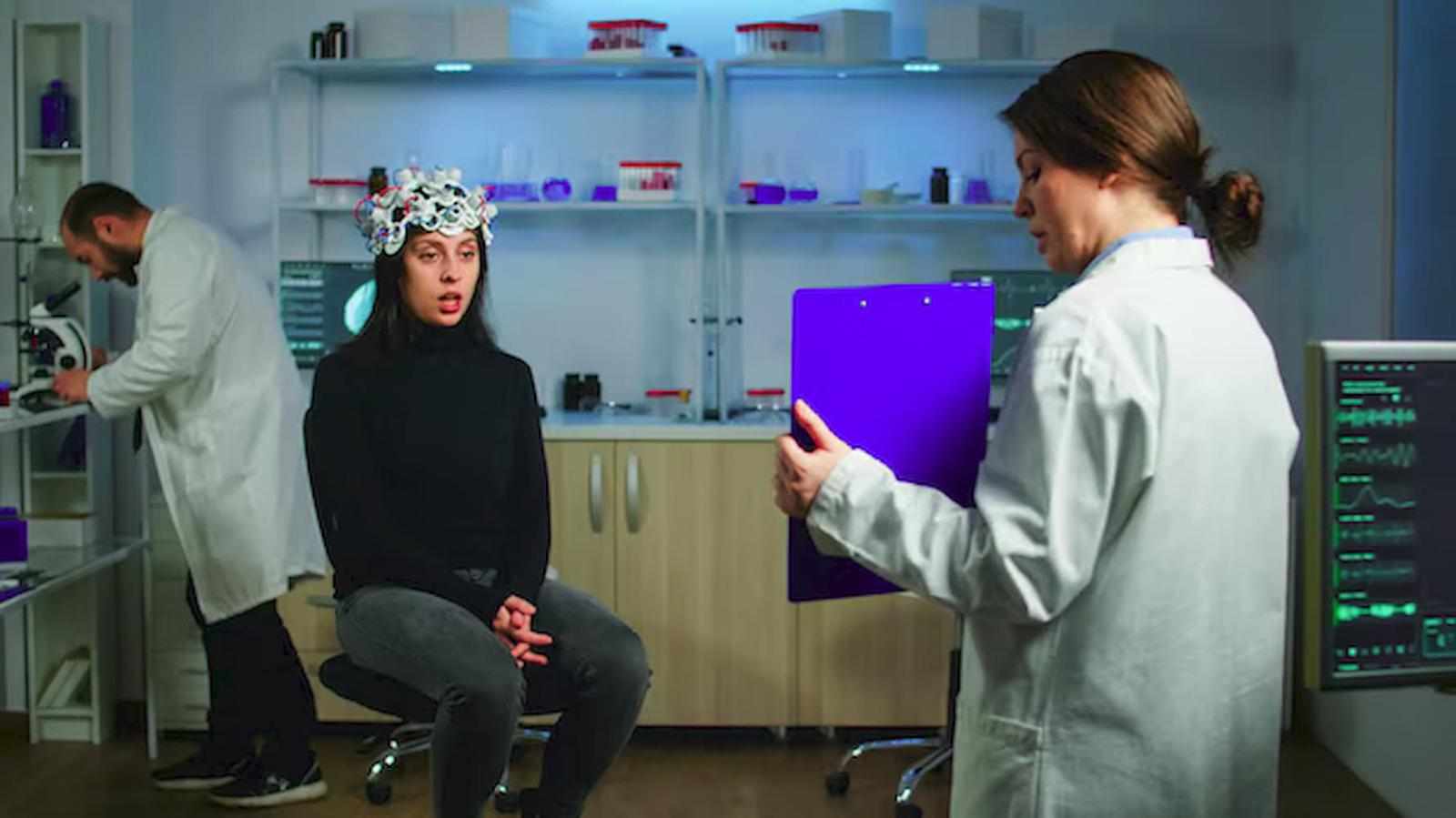
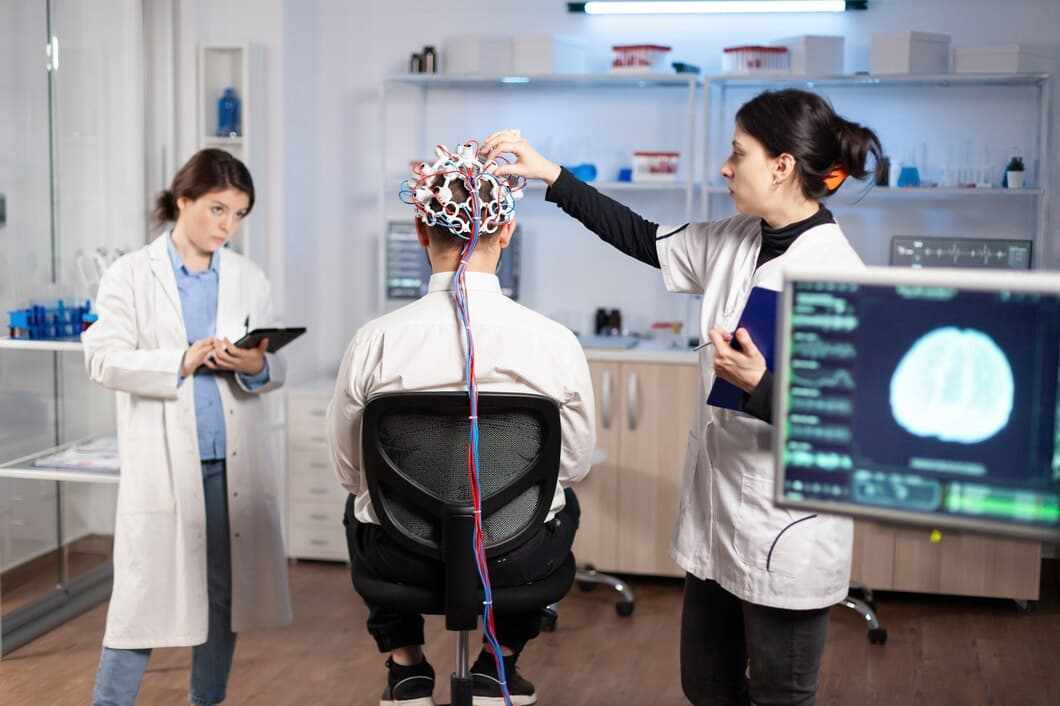
Once therapy begins, patients attend sessions five days a week for several weeks, depending on the treatment plan. During each session, the patient sits comfortably in a chair while the device is placed over the targeted area of the brain. The sensation is often described as tapping or clicking on the scalp. Most patients can return to their daily activities immediately afterward.
Duration and Commitment
A full course of TMS therapy usually lasts about four to six weeks. Consistency is important because the cumulative effect of repeated sessions is what leads to noticeable improvements in mood and functioning. Patients are encouraged to follow the full treatment plan for the best possible outcome.
Benefits of TMS Therapy in Albany, NY
Reduced Dependence on Medication
For individuals who have experienced side effects from antidepressants, TMS therapy provides an alternative that does not require daily pills. While some patients may continue using medications alongside TMS, others may reduce their reliance on them as symptoms improve.
Minimal Side Effects
The side effects of TMS therapy are generally mild and temporary. Common experiences include scalp discomfort or mild headaches that often lessen after the first few sessions. Unlike medications, TMS therapy does not usually cause weight gain, fatigue, or sexual side effects.
Long-Term Effectiveness
Studies have shown that many patients continue to experience benefits from TMS therapy long after completing their sessions. Some individuals may require maintenance treatments, but the long-term improvements make it a valuable option for sustained mental health support.
Who is a Good Candidate for TMS Therapy
Individuals with Treatment-Resistant Depression
Patients who have tried multiple antidepressant medications without success are often considered good candidates for TMS therapy. It provides hope for those who have not found relief through traditional treatments.
Patients Seeking Non-Invasive Options
Those who prefer not to undergo invasive procedures or long-term medication management may find TMS therapy in Albany, NY, to be an appealing choice. Its non-invasive nature allows patients to continue with their daily lives without significant disruption.
Safety Considerations
While TMS therapy is generally safe, it may not be recommended for individuals with certain medical devices or conditions, such as implants that respond to magnetic fields. A thorough evaluation helps determine eligibility and ensures patient safety.
The Growing Role of TMS Therapy in Albany, NY
As awareness of mental health continues to grow, more people are seeking effective treatments that go beyond traditional methods. TMS therapy is increasingly available in Albany, providing local residents with access to advanced care that was once limited to larger medical centers. Its growing popularity highlights the importance of offering diverse treatment options to meet individual needs.
Preparing for TMS Therapy
Setting Realistic Expectations
While TMS therapy can provide significant improvements, it is not an overnight solution. Patients are encouraged to maintain realistic expectations and understand that progress often occurs gradually. Celebrating small improvements along the way helps build motivation throughout the treatment process.
Support Systems Matter
Having support from family, friends, or mental health professionals can enhance the treatment experience. Encouragement and understanding from loved ones play a critical role in helping patients stay committed to their sessions and recovery.
Lifestyle Considerations
In addition to undergoing TMS therapy, maintaining a healthy lifestyle can maximize results. Regular exercise, a balanced diet, adequate sleep, and stress management techniques all contribute to overall well-being and support the effectiveness of therapy.
Conclusion
TMS therapy in Albany, NY, offers a promising pathway for individuals struggling with depression, anxiety, and other mental health challenges. Its non-invasive approach, minimal side effects, and long-term benefits make it an appealing option for those who have not found success with traditional treatments. By understanding what TMS therapy involves, who it can help, and what to expect during the process, individuals can make informed decisions about their mental health care. As more people explore this innovative therapy, it continues to bring hope, healing, and improved quality of life to those in need.










Write a comment ...