
Depression can deeply affect a person’s emotional wellbeing, physical health, and overall ability to function in daily life. For individuals who have struggled to find relief through traditional therapies, tms treatment depression albany is gaining attention as a safe and effective alternative. This non invasive approach offers new hope to those living with persistent depressive symptoms and helps improve overall quality of life in meaningful and lasting ways.
Understanding Depression and Its Impact on Daily Living
Depression is more than occasional sadness. It is a serious mental health condition that influences how a person thinks, feels, and behaves. Without proper treatment, it can interfere with work, relationships, and physical health.
Emotional and Psychological Challenges
People experiencing depression often feel prolonged sadness, hopelessness, irritability, or emptiness. They may struggle with low self esteem, guilt, or difficulty concentrating. Over time, these emotional burdens can reduce motivation and limit engagement in daily activities.
Physical Symptoms and Lifestyle Effects
Depression does not only affect the mind. It can also cause fatigue, sleep disturbances, appetite changes, and unexplained aches or pains. These physical symptoms often make it harder for individuals to maintain healthy routines, contributing to a cycle that worsens overall wellbeing.
Social and Professional Consequences
When depression remains untreated, it can affect job performance, academic progress, and personal relationships. Withdrawal from social interactions is common, leading to isolation and reduced support systems. Improving mental health can significantly enhance these areas of life.
What Is TMS Therapy
Transcranial Magnetic Stimulation, commonly known as TMS, is an innovative treatment designed to address depression by stimulating specific areas of the brain associated with mood regulation.
How TMS Works
TMS therapy uses magnetic pulses to stimulate nerve cells in the prefrontal cortex, the area of the brain often underactive in people with depression. These pulses encourage improved neural activity and communication between brain regions that regulate mood.
Unlike medication, TMS directly targets the affected area of the brain rather than altering chemical levels throughout the entire body. This focused approach contributes to its effectiveness and tolerability.
A Non Invasive and Drug Free Option
TMS therapy is non invasive and does not require anesthesia or sedation. Patients remain awake and alert during sessions, which typically last less than an hour. Because it does not involve medication, individuals who have experienced unwanted side effects from antidepressants may find it particularly appealing.
Who May Benefit From TMS Treatment
TMS is often recommended for individuals who have not experienced adequate improvement from antidepressant medications or psychotherapy alone. It can also be suitable for those who cannot tolerate medication side effects or prefer a non pharmaceutical approach.
How TMS Treatment Improves Emotional Wellbeing
One of the most significant benefits of tms treatment depression albany is its ability to improve emotional stability and resilience.
Reduction in Depressive Symptoms
Many individuals report a noticeable decrease in core depressive symptoms such as persistent sadness, loss of interest, and feelings of hopelessness. As mood improves, people often feel more motivated to re engage with their daily lives.
Enhanced Mental Clarity
Depression frequently causes brain fog and difficulty concentrating. TMS therapy can support clearer thinking and improved focus, allowing individuals to perform better at work or school and make decisions more confidently.
Increased Emotional Balance
By stimulating targeted brain regions, TMS therapy helps regulate mood more effectively. Individuals may experience fewer mood swings and a greater sense of emotional control, contributing to overall mental stability.
Positive Effects on Physical Health and Energy Levels
Improving mental health often leads to better physical wellbeing. TMS therapy can have indirect but meaningful benefits on physical health.
Better Sleep Patterns
Depression commonly disrupts sleep, causing insomnia or excessive sleeping. As mood symptoms improve, many individuals experience more consistent and restorative sleep patterns. Improved sleep contributes to higher energy levels and better cognitive performance.
Increased Motivation for Healthy Habits
When depressive symptoms decrease, individuals may feel more motivated to exercise, eat nutritious meals, and engage in self care routines. These positive lifestyle changes further enhance overall quality of life.
Reduced Physical Tension and Fatigue
Depression can create persistent physical tension and exhaustion. As emotional burdens lift, people often report feeling lighter and more energized throughout the day.
Strengthening Relationships and Social Connections
Improved mood and emotional balance can significantly influence personal and professional relationships.
Renewed Interest in Social Activities
Depression often leads to withdrawal from friends and family. As symptoms lessen, individuals may rediscover enjoyment in social gatherings, hobbies, and community involvement.
Improved Communication Skills
With clearer thinking and reduced irritability, individuals are better able to communicate effectively and manage conflicts. Healthier communication strengthens bonds with loved ones and colleagues.
Greater Confidence in Social Settings
Increased self esteem and emotional stability allow individuals to participate more comfortably in social and professional environments. This confidence contributes to personal growth and expanded opportunities.
Professional and Academic Benefits
The impact of depression on productivity can be significant. By addressing underlying brain activity, TMS therapy can help individuals perform at their best.
Enhanced Work Performance
Improved concentration, energy, and mood can lead to higher productivity and greater job satisfaction. Individuals may find it easier to meet deadlines, collaborate with coworkers, and pursue career advancement.
Improved Academic Achievement
Students experiencing depression often struggle with focus and motivation. With symptom relief, they may experience improved study habits, stronger academic performance, and increased engagement in learning.
Long Term Career Development
When mental health stabilizes, individuals are better equipped to set and achieve long term goals. This sense of direction and accomplishment enhances overall life satisfaction.
The Treatment Process and What to Expect
Understanding the treatment journey can help individuals feel more confident about pursuing TMS therapy.
Initial Evaluation and Assessment
Before beginning treatment, a comprehensive evaluation is conducted to determine whether TMS is appropriate. Mental health history, current symptoms, and prior treatments are carefully reviewed.
Treatment Sessions and Duration
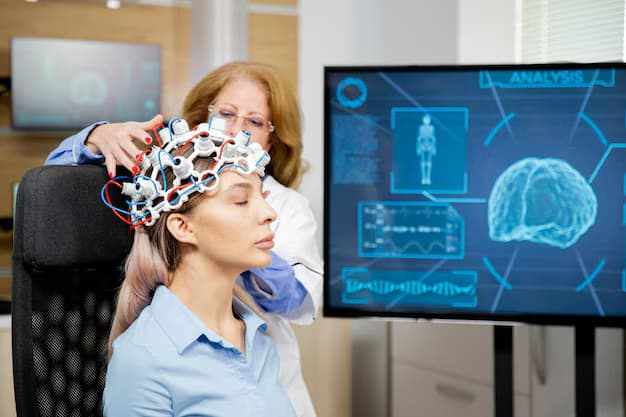
TMS therapy typically involves multiple sessions over several weeks. Each session consists of targeted magnetic stimulation delivered while the individual sits comfortably in a treatment chair. Most people can return to normal activities immediately after each appointment.
Monitoring Progress and Outcomes
Progress is monitored throughout the treatment course to assess symptom improvement and adjust protocols if needed. Many individuals begin noticing improvements within a few weeks, though experiences vary.
Long Term Quality of Life Improvements
The ultimate goal of tms treatment depression albany is not only symptom reduction but also lasting improvement in overall wellbeing.
Sustained Mood Stability
Many individuals experience long term relief from depressive symptoms following a full course of treatment. Stable mood allows for consistent participation in meaningful life activities.
Renewed Sense of Purpose
As depression lifts, individuals often rediscover interests, passions, and goals that once felt unreachable. This renewed sense of purpose enhances life satisfaction and motivation.
Greater Independence and Self Confidence
Improved mental health fosters independence and resilience. Individuals may feel more capable of managing stress, adapting to challenges, and maintaining balanced lifestyles.
Why TMS Is Considered a Transformative Option
TMS therapy represents a significant advancement in mental health treatment. Its targeted approach addresses underlying neurological patterns without the systemic side effects associated with many medications.
For individuals who have felt discouraged by limited progress with traditional treatments, TMS offers renewed hope. By directly stimulating mood regulating areas of the brain, it helps create meaningful and measurable improvements in emotional, physical, and social wellbeing.
Depression can make everyday life feel overwhelming, but innovative therapies continue to expand the possibilities for recovery. Those seeking compassionate, evidence based care for depression may find that Pinnacle Behavioral Health provides professional guidance and support in exploring whether TMS therapy is the right path toward improved quality of life.












Write a comment ...