
Depression is a complex and often debilitating mental health condition that affects millions of individuals each year. While traditional treatments such as medication and psychotherapy are effective for many people, some individuals continue to struggle with persistent symptoms despite multiple treatment attempts. For these individuals, Transcranial Magnetic Stimulation, commonly known as TMS, offers new hope. Understanding how TMS treatment for depression Albany works can help individuals make informed decisions about their mental health care options.
TMS therapy has gained increasing attention as a safe, noninvasive, and FDA approved treatment for major depressive disorder. In Albany, this innovative therapy is helping people who have not found relief through conventional approaches experience meaningful improvements in their mood, energy levels, and overall quality of life.
Understanding Depression and Treatment Resistance
Depression is more than occasional sadness. It can affect sleep, appetite, concentration, motivation, and the ability to experience pleasure. In severe cases, it can interfere with work, relationships, and daily functioning.
What Is Major Depressive Disorder
Major depressive disorder is characterized by persistent feelings of sadness, hopelessness, and loss of interest in activities for at least two weeks or longer. Physical symptoms such as fatigue, changes in appetite, and sleep disturbances are also common. For some individuals, these symptoms become chronic and difficult to manage.
When Traditional Treatments Are Not Enough
Antidepressant medications and psychotherapy are often the first lines of treatment. However, studies show that a significant percentage of people do not respond adequately to one or more antidepressant medications. This condition is often referred to as treatment resistant depression.
When multiple medication trials fail to provide relief, individuals may feel discouraged or hopeless. At this stage, exploring advanced options such as tms treatment depression albany can be an important next step.
What Is TMS Therapy
Transcranial Magnetic Stimulation is a noninvasive procedure that uses magnetic pulses to stimulate specific areas of the brain involved in mood regulation. It does not require surgery, sedation, or systemic medication.
How Magnetic Stimulation Affects the Brain
TMS therapy targets the prefrontal cortex, a region of the brain associated with mood control and emotional regulation. In individuals with depression, this area often shows reduced activity.
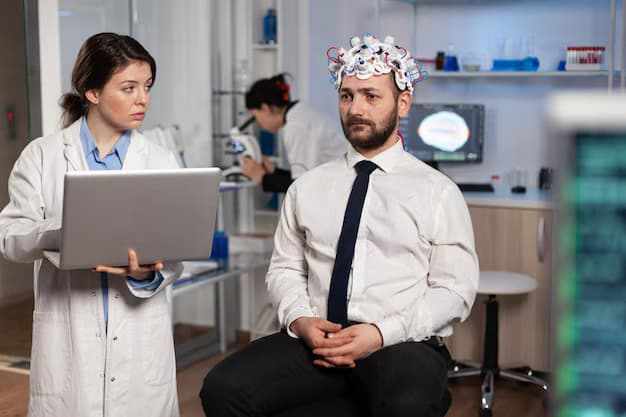
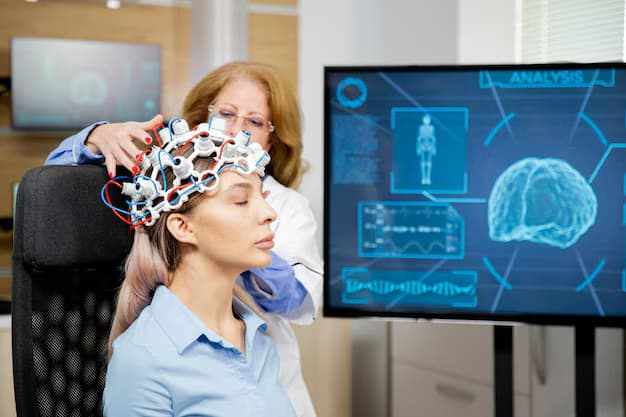
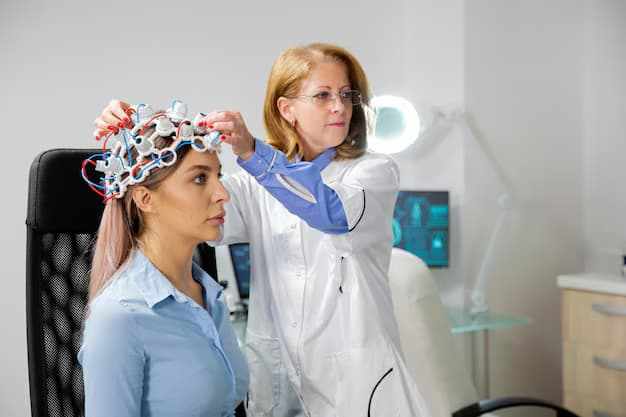
During treatment, an electromagnetic coil is placed against the scalp. The device delivers focused magnetic pulses that stimulate nerve cells in the targeted brain region. Over time, this stimulation can help normalize brain activity and improve depressive symptoms.
FDA Approval and Safety
TMS therapy has been approved by the Food and Drug Administration for the treatment of major depressive disorder, particularly in patients who have not responded to antidepressant medications. The treatment is widely considered safe and well tolerated.
Unlike medication, TMS does not circulate throughout the body, which means it does not typically cause systemic side effects such as weight gain, sexual dysfunction, or gastrointestinal discomfort.
How TMS Treatment for Depression Albany Is Administered
Understanding what to expect during tms treatment depression albany can ease anxiety and help individuals feel more comfortable with the process.
Initial Consultation and Evaluation
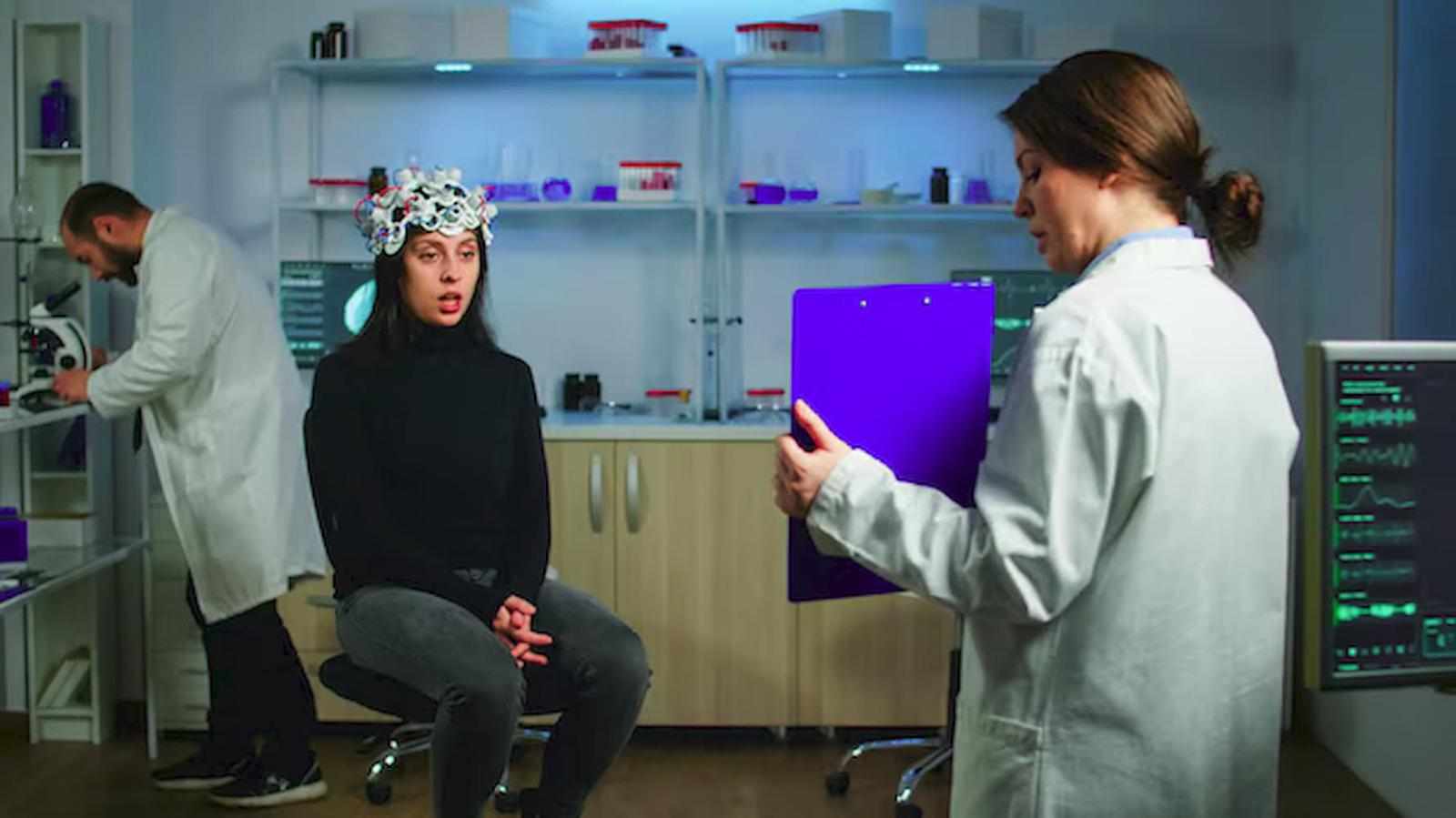
Before beginning TMS therapy, patients undergo a comprehensive psychiatric evaluation. A mental health professional assesses the individual’s history, current symptoms, and previous treatment attempts. This evaluation determines whether TMS is an appropriate option.
The treatment plan is personalized to address the unique needs and symptom profile of each patient.
Mapping the Treatment Area
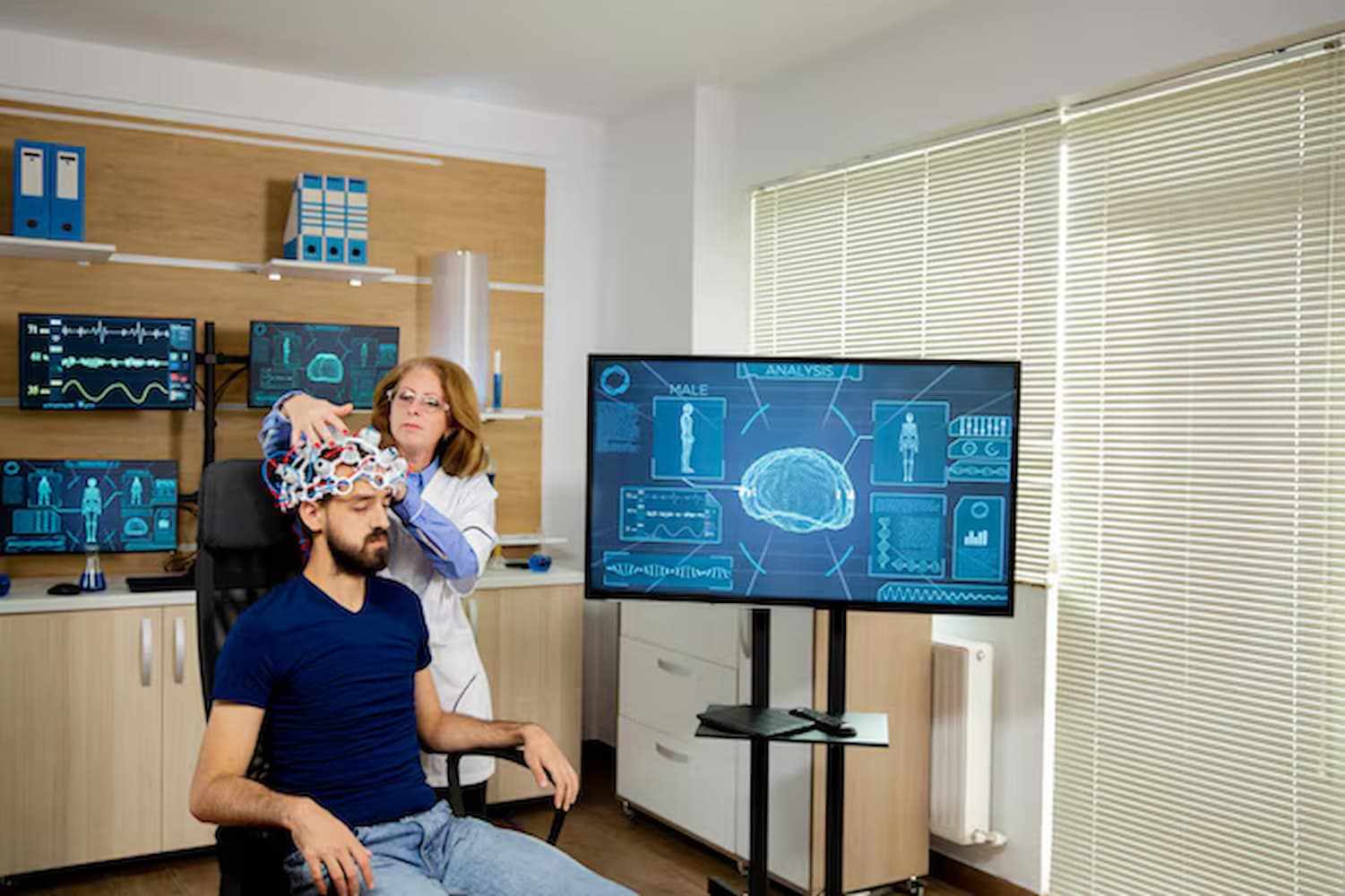
At the first treatment session, clinicians identify the precise area of the brain to target. This process is called mapping. It involves measuring the patient’s motor threshold, which helps determine the optimal intensity of magnetic stimulation.
Accurate mapping ensures that the treatment is both effective and comfortable.
The Treatment Sessions
TMS sessions are typically conducted five days per week for several weeks, often ranging from four to six weeks depending on the treatment plan.
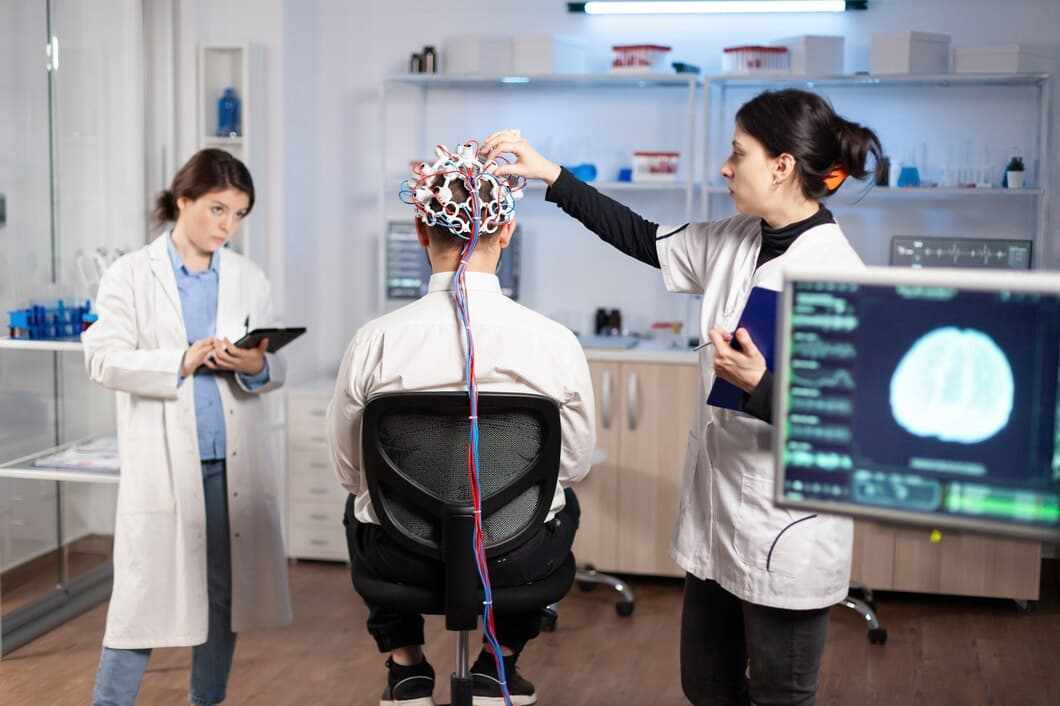
During each session, the patient sits in a comfortable chair while the magnetic coil is positioned against the scalp. The device delivers repetitive pulses that create a tapping sensation on the head. Each session usually lasts between 20 and 40 minutes.
Patients remain awake and alert throughout the procedure. After the session, they can immediately return to normal daily activities, including work or driving.
What Patients Experience During Treatment
Many individuals considering tms treatment depression albany wonder what the procedure feels like and how quickly they might notice improvements.
Sensations During the Procedure
Most patients describe the sensation as a light tapping or clicking on the scalp. Some may experience mild scalp discomfort or headache during the first few sessions, but these effects typically decrease as the body adjusts to the treatment.
There is no need for anesthesia, and patients can communicate with staff throughout the session.
Timeline for Symptom Improvement
Improvements may not be immediate. Some individuals begin to notice changes in mood, energy, or sleep patterns after two to three weeks of consistent treatment. For others, improvement may become more noticeable toward the end of the treatment course.
Gradual symptom relief is common, and full benefits may continue to develop even after the treatment series is complete.
Benefits of TMS Therapy
TMS therapy offers several advantages, particularly for individuals who have struggled with medication side effects or limited treatment response.
Noninvasive and Medication Free
Because TMS does not involve surgery or implanted devices, it is considered noninvasive. It also does not require daily medication intake, which can be appealing for individuals who prefer to minimize pharmaceutical interventions.
Minimal Side Effects
The most common side effects include mild scalp discomfort or temporary headache. Serious side effects are rare. The risk of seizures exists but is extremely low when treatment protocols are properly followed.
Improved Quality of Life
Many patients report not only reduced depressive symptoms but also improvements in concentration, motivation, and emotional resilience. As mood stabilizes, individuals often find it easier to engage in therapy, reconnect with loved ones, and resume activities they once enjoyed.
Who Is a Good Candidate for TMS Treatment
Not everyone with depression will require or qualify for TMS therapy. Determining candidacy involves careful screening and professional evaluation.
Ideal Candidates
TMS is often recommended for adults diagnosed with major depressive disorder who have not achieved adequate relief from at least one antidepressant medication. It may also be appropriate for individuals who cannot tolerate medication side effects.
Who May Need Alternative Options
Individuals with certain medical devices implanted in or near the head, such as metal implants or cochlear implants, may not be suitable candidates for TMS therapy. A thorough medical history helps ensure safety.
Consultation with a qualified provider in Albany can clarify whether tms treatment depression albany is the right choice.
Combining TMS With Other Treatments
TMS therapy does not necessarily replace other forms of mental health care. In many cases, it works best as part of a comprehensive treatment plan.
Continued Psychotherapy
Many individuals continue participating in talk therapy while undergoing TMS. As mood improves, patients may find they are more engaged and receptive during therapy sessions.
Medication Adjustments
Some patients remain on stable doses of antidepressants during TMS treatment. Any medication changes should be managed by a qualified healthcare professional.
A coordinated approach often produces the most sustainable results.
Long Term Outcomes and Maintenance
One common question about tms treatment depression albany involves the durability of results.
How Long Do Results Last
Many patients experience lasting symptom relief following a full course of TMS therapy. However, depression is a chronic condition for some individuals, and symptoms may return over time.
If symptoms reemerge, additional TMS sessions, sometimes referred to as maintenance treatments, may be recommended.
Ongoing Mental Health Support
Maintaining mental health involves more than a single treatment course. Healthy lifestyle habits, therapy, stress management, and regular psychiatric follow up can all contribute to sustained well being.
Why TMS Is Gaining Popularity in Albany
As awareness grows about advanced mental health treatments, more individuals are exploring alternatives beyond traditional medication. The demand for tms treatment depression albany continues to rise as patients seek evidence based solutions that offer hope without invasive procedures.
Albany residents benefit from access to modern mental health technologies and trained professionals who specialize in administering TMS therapy safely and effectively. With increasing research supporting its effectiveness, TMS is becoming a trusted option for those facing persistent depressive symptoms.
Taking the First Step Toward Relief
Living with depression can feel overwhelming, especially when previous treatments have not delivered the desired results. Learning how TMS therapy works empowers individuals to explore options that may offer renewed hope.
By directly stimulating areas of the brain associated with mood regulation, TMS provides a targeted and scientifically supported approach to treating depression. For many individuals in Albany, this therapy has opened the door to improved emotional stability, enhanced daily functioning, and a brighter outlook on life.
Anyone considering tms treatment depression albany should seek a professional evaluation to determine eligibility and develop a personalized care plan. With the right guidance and support, meaningful recovery is possible.
Conclusion
For those exploring advanced depression treatment options in Albany, Pinnacle Behavioral Health offers professional support and access to innovative care solutions tailored to individual needs.









Write a comment ...