
TMS depression therapy in Albany is an innovative treatment option for individuals struggling with depression, particularly those who have not responded to traditional forms of therapy or medications. Transcranial Magnetic Stimulation (TMS) is a non-invasive procedure that uses magnetic pulses to stimulate areas of the brain involved in mood regulation. The therapy offers a promising alternative for people seeking effective depression treatment without relying on medication.
This article explores what to expect from TMS depression therapy in Albany, including how it works, the treatment process, the benefits, and potential side effects.
How Does TMS Therapy Work for Depression?
TMS depression therapy in Albany works by applying targeted magnetic pulses to specific areas of the brain that are thought to be underactive in people suffering from depression. These pulses stimulate neural activity and help normalize brain function, which can alleviate symptoms of depression.
The Role of Magnetic Pulses
The key to TMS is the use of electromagnetic pulses delivered through a coil placed on the patient’s scalp. The magnetic pulses are similar to those used in magnetic resonance imaging (MRI) but are much more focused and precise. These pulses stimulate neurons in the brain's prefrontal cortex, a region that plays a key role in regulating mood and emotions.
The Impact on Brain Activity
In individuals with depression, certain areas of the brain, such as the prefrontal cortex, may be underactive. By stimulating this area, TMS therapy for depression helps activate the brain regions responsible for mood regulation. This can lead to improvements in emotional balance and a reduction in depressive symptoms.
What to Expect During TMS Depression Therapy in Albany
If you're considering TMS depression therapy in Albany, understanding what to expect during the treatment process can help alleviate any concerns and provide clarity. TMS is a non-invasive therapy, and the process is straightforward, typically requiring multiple sessions over several weeks.
Initial Consultation
Before beginning TMS depression therapy, patients typically meet with a healthcare provider to discuss their medical history, symptoms, and treatment goals. During this consultation, the provider will evaluate whether TMS therapy is the right choice for the patient based on their condition and previous treatments.
The Treatment Sessions
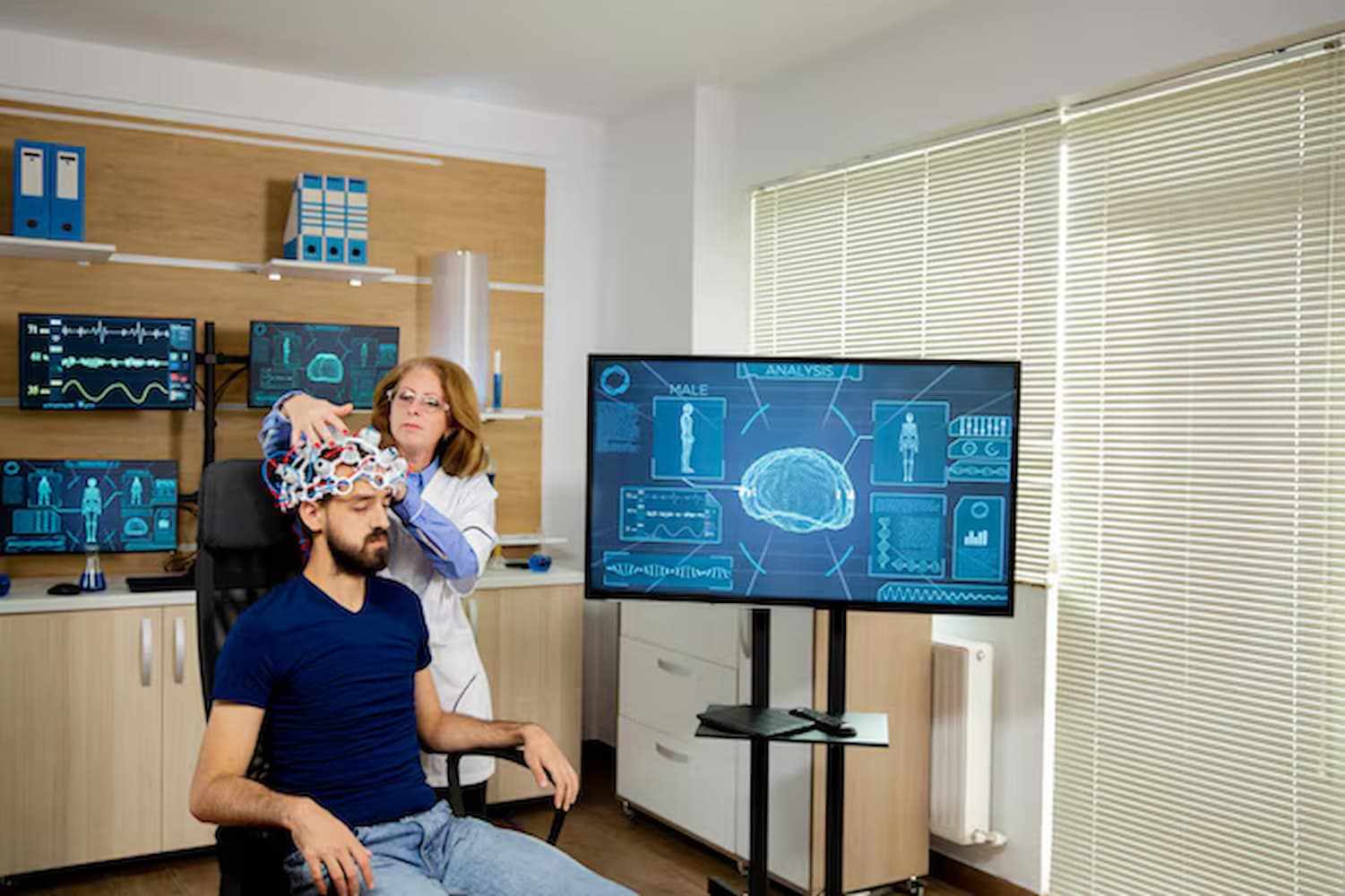
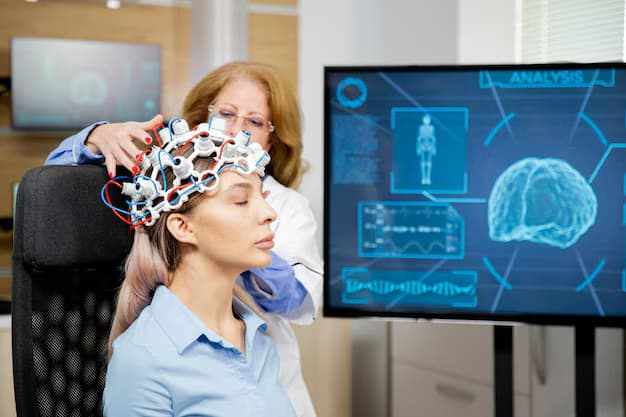
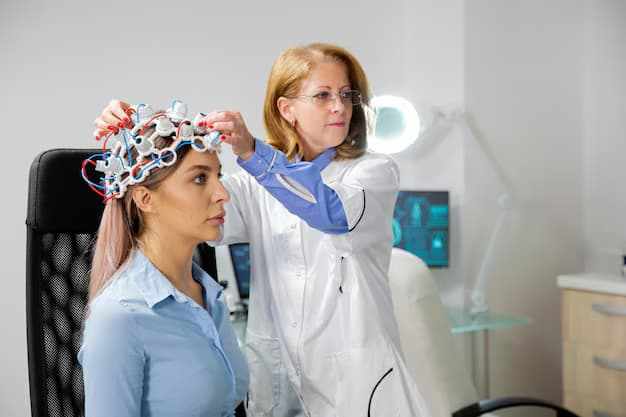
Once the patient begins treatment, each TMS session lasts around 30 to 40 minutes. The patient is comfortably seated in a chair, and a magnetic coil is placed on the scalp near the forehead. The coil emits magnetic pulses that target the prefrontal cortex, where they stimulate neuronal activity.
What Happens During Treatment?
Patients will experience mild tapping or clicking sensations on their scalp as the magnetic pulses are delivered. While some people may feel slight discomfort, the procedure is generally well-tolerated. Unlike other treatments, TMS does not require anesthesia, and patients can remain awake and alert throughout the session.
Each treatment typically occurs five days a week for about four to six weeks, depending on the individual's needs. After each session, patients can immediately resume their daily activities without any downtime.
The Benefits of TMS Depression Therapy
TMS depression therapy in Albany offers numerous benefits, especially for individuals who have struggled with depression despite other treatment options. Here are some of the primary advantages:
Non-Invasive and Drug-Free
One of the main reasons TMS therapy is gaining popularity is that it is a non-invasive and drug-free treatment option. Unlike medication, which can have side effects such as weight gain or sexual dysfunction, TMS does not involve the use of drugs. This is particularly beneficial for individuals who are either intolerant to medication or prefer to avoid pharmaceuticals altogether.
Effectiveness for Treatment-Resistant Depression
Many people with depression do not respond to traditional antidepressants or therapy. TMS depression therapy is especially effective for individuals with treatment-resistant depression—those who have tried multiple medications without success. Studies have shown that TMS can significantly reduce depressive symptoms in these individuals, providing hope where other treatments have failed.
Minimal Side Effects
Unlike many antidepressant medications, which can cause significant side effects, TMS has minimal adverse effects. The most common side effects reported are mild scalp discomfort and headaches, which typically subside shortly after treatment. This makes TMS depression therapy a preferred option for many patients, as it offers relief without the common side effects of medication.
No Need for Anesthesia or Recovery Time
TMS therapy is an outpatient procedure, meaning it does not require hospitalization or anesthesia. Each session lasts only about 30 to 40 minutes, and patients can continue their daily activities right after treatment. This makes TMS an ideal option for individuals with busy schedules who cannot afford long periods of recovery.
Effectiveness of TMS Depression Therapy
TMS depression therapy in Albany has been shown to be highly effective, particularly for individuals with treatment-resistant depression. Many patients experience significant improvements after completing a full course of treatment.
Proven Clinical Success
Numerous clinical studies have demonstrated the effectiveness of TMS depression therapy in treating depression, especially for those who have not responded to medications or psychotherapy. In fact, studies show that nearly 60 percent of patients with treatment-resistant depression experience a significant reduction in symptoms after completing a TMS treatment series.
Long-Term Benefits
One of the most promising aspects of TMS therapy is that it can provide long-term benefits. Many patients experience sustained improvements in mood, with fewer depressive episodes, even after the initial treatment series is completed. While maintenance sessions may be necessary for some individuals, many patients find that the results of TMS therapy last for several months or even longer.
What Are the Potential Side Effects?
While TMS depression therapy in Albany is generally well-tolerated, there are some potential side effects to be aware of. The most common side effects include:
Scalp discomfort: A mild discomfort may occur at the site where the coil is placed on the scalp. This sensation is usually temporary and subsides after the session.
Headaches: Some patients may experience mild headaches during or after the treatment. These are generally short-lived and can be managed with over-the-counter pain relievers.
Lightheadedness or dizziness: Some individuals report feeling lightheaded or dizzy following a session, although this effect is rare and typically goes away quickly.
Serious side effects are uncommon, and the therapy is considered safe overall.
How Long Does TMS Depression Therapy Take?
The duration of TMS depression therapy in Albany can vary depending on individual needs. Most patients undergo a full course of treatment that spans four to six weeks. During this time, patients typically attend five sessions per week.
Each session lasts about 30 to 40 minutes, with no downtime required afterward. After completing the initial treatment series, many patients see a reduction in symptoms, although additional sessions may be necessary to maintain progress.
Conclusion: Is TMS Depression Therapy Right for You?
TMS depression therapy in Albany offers a promising solution for individuals struggling with depression, particularly those who have not found relief through traditional treatments. With its non-invasive nature, minimal side effects, and proven effectiveness, TMS has emerged as a valuable tool in the treatment of depression.
If you are considering TMS depression therapy as a treatment option, it is important to consult with a healthcare provider to determine whether it is the right choice for you. With proper guidance and a tailored treatment plan, TMS therapy can provide lasting relief from depression and help individuals regain control of their mental health.









Write a comment ...