Transcranial Magnetic Stimulation (TMS) has emerged as a groundbreaking treatment for individuals battling mental health conditions such as depression, anxiety, and other neurological disorders. For residents of Albany, NY, TMS offers a non-invasive, promising option for managing conditions that may not have responded well to traditional therapies. This article aims to provide a comprehensive understanding of TMS, how it works, and why it is gaining popularity in Albany, NY.

What is Transcranial Magnetic Stimulation?
Transcranial Magnetic Stimulation in albany ny is a non-invasive procedure that uses magnetic fields to stimulate specific areas of the brain. This technique has proven effective in treating various mental health disorders, particularly depression, by influencing neural activity in regions that are underactive or malfunctioning. The therapy involves placing a magnetic coil near the scalp, which generates a magnetic field strong enough to pass through the skull and stimulate targeted brain regions.
How Does TMS Work?
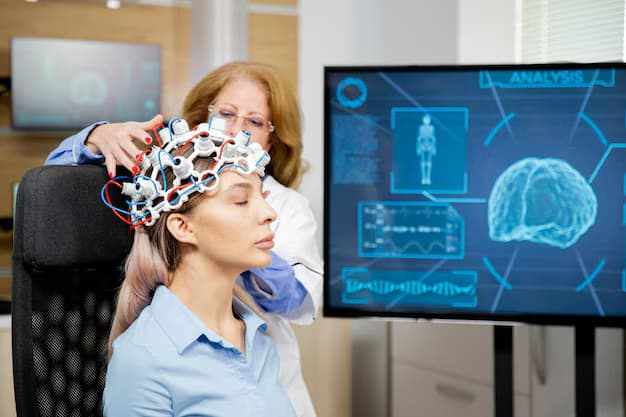
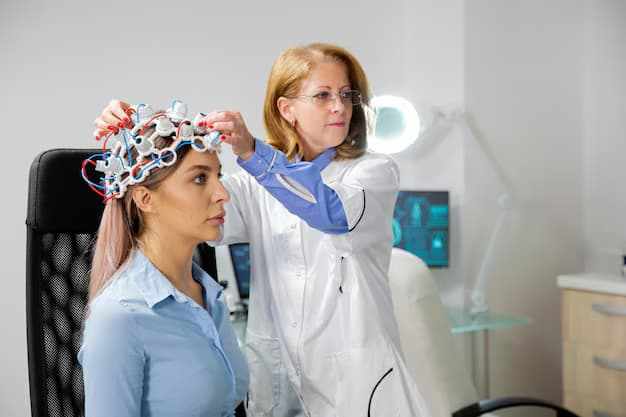
During a TMS session, a trained professional positions a coil over the patient's head, specifically targeting the area of the brain associated with the mood disorder. The magnetic pulses generated by the coil cause electrical currents in the brain, which can help improve the functioning of the neurons in the targeted region. This process is believed to enhance the brain's ability to regulate mood and emotional responses.
Unlike other treatments such as medications or electroconvulsive therapy (ECT), TMS does not involve any surgical procedures or anesthesia. It is a painless, non-invasive treatment with minimal side effects, making it a compelling option for patients seeking alternative therapies for mental health conditions.
Conditions Treated by Transcranial Magnetic Stimulation
TMS has been most widely researched and applied for the treatment of major depressive disorder (MDD), but it has also shown promise in addressing a variety of other conditions, including:
1. Major Depressive Disorder (MDD)
One of the most common uses of TMS is for the treatment of major depressive disorder, particularly in patients who have not responded to antidepressant medications or psychotherapy. Studies have shown that TMS can significantly reduce symptoms of depression and improve overall quality of life. The treatment typically involves daily sessions over several weeks, leading to noticeable improvements in mood and behavior.
2. Anxiety Disorders
In addition to depression, TMS has been found to be effective in managing certain anxiety disorders, including generalized anxiety disorder (GAD) and post-traumatic stress disorder (PTSD). By stimulating areas of the brain involved in emotional regulation, TMS can help reduce the intensity of anxiety symptoms and improve patients' coping mechanisms.
3. Obsessive-Compulsive Disorder (OCD)
OCD is another condition that may benefit from TMS. Research indicates that TMS can help reduce the frequency and intensity of obsessive thoughts and compulsive behaviors. This is particularly important for individuals whose symptoms have not been adequately controlled by medication or therapy.
4. Chronic Pain
Though primarily used for mental health conditions, TMS is also being explored for its potential in treating chronic pain conditions. It is thought that TMS can alter the way the brain processes pain signals, providing relief to individuals suffering from chronic pain syndromes.
The TMS Procedure
The TMS procedure is typically performed in an outpatient setting and does not require anesthesia or hospitalization. A typical TMS session lasts between 20 to 40 minutes, during which the patient remains awake and alert. The procedure involves the following steps:
1. Preparation
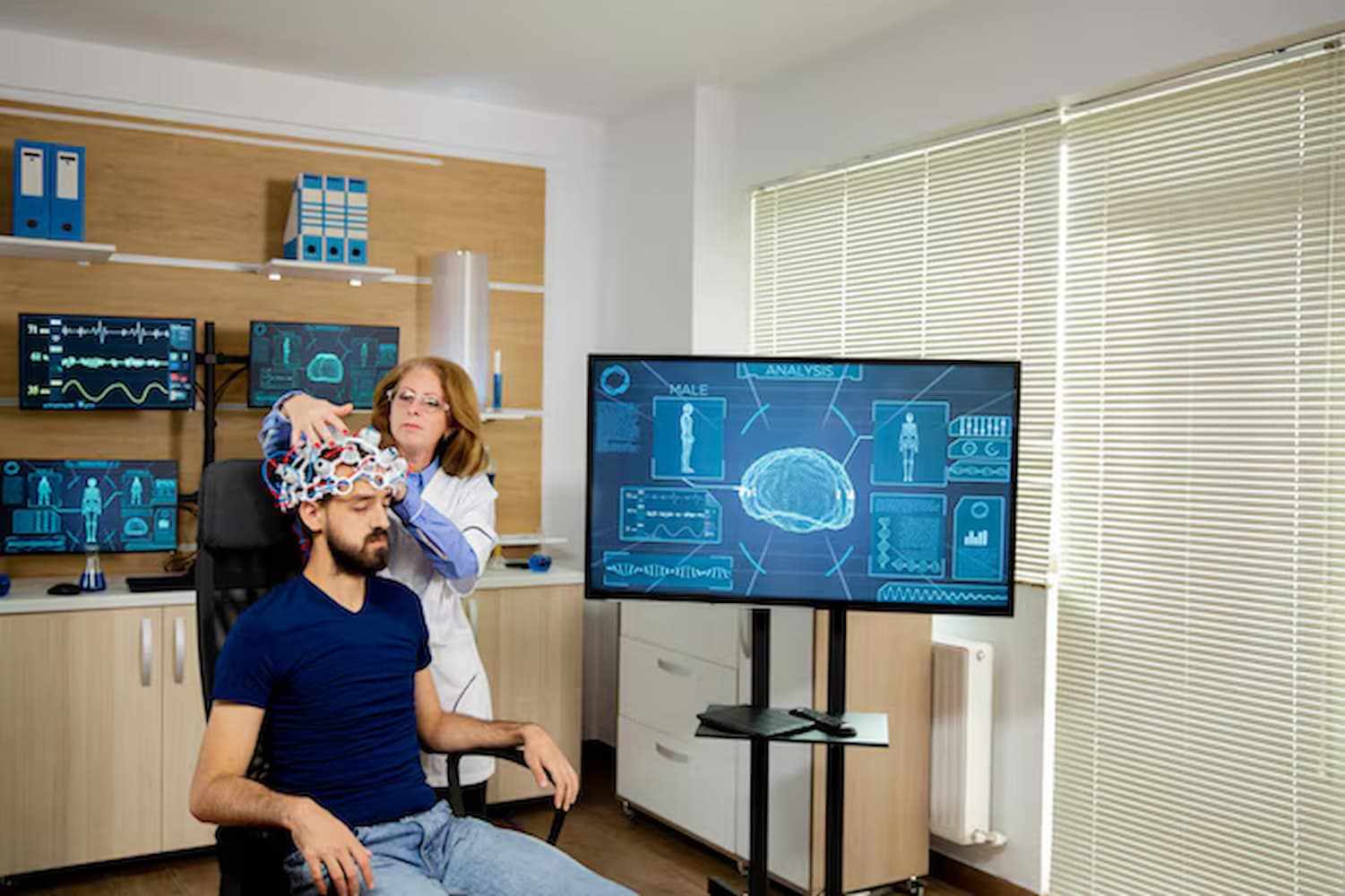
Before the treatment begins, the clinician will assess the patient's medical history and ensure that TMS is a suitable option. The patient is seated comfortably in a chair, and the technician will position the TMS coil on the scalp. The exact location of the coil will depend on the condition being treated, with different brain regions being targeted for different disorders.
2. Magnetic Pulse Delivery
Once the coil is in place, the machine is activated, and magnetic pulses are delivered to the brain. These pulses are typically delivered in rapid bursts, causing the neurons in the targeted area to fire. The sensation is often described as a tapping or tapping-like feeling on the scalp, which may cause minor discomfort, but it is generally well tolerated by most patients.
3. Post-Treatment Care
After the session, patients can resume their normal daily activities immediately. Unlike other treatments such as ECT or medications, TMS does not carry significant recovery time, and there are no restrictions on activities following treatment.
Benefits of TMS Treatment
Transcranial Magnetic Stimulation offers several advantages over traditional forms of treatment for mental health disorders.
1. Non-Invasive
TMS is non-invasive, meaning that it does not require surgery or the use of needles. This reduces the risk of complications and makes it an appealing option for patients who may be reluctant to undergo more invasive procedures.
2. Minimal Side Effects
Unlike antidepressant medications, which often come with a range of side effects such as weight gain, sexual dysfunction, or insomnia, TMS has relatively few side effects. The most common side effects include mild headaches or discomfort at the site of stimulation, which typically resolve shortly after the session ends.
3. No Need for Anesthesia
TMS does not require the use of anesthesia, unlike electroconvulsive therapy (ECT). This means that patients remain fully conscious and alert during treatment, which helps reduce the risks and complications associated with other therapies.
4. Effective for Treatment-Resistant Conditions
Perhaps one of the most compelling reasons for choosing TMS is its effectiveness in treating conditions that have not responded well to other treatments, such as antidepressants or therapy. This makes it an invaluable tool for patients who have not found relief from more traditional methods.
TMS in Albany, NY: What You Need to Know
In Albany, NY, TMS is becoming an increasingly popular option for individuals struggling with mental health conditions. Many clinics in the area are now offering TMS therapy, providing patients with access to cutting-edge treatment for depression, anxiety, and other neurological disorders. If you are considering TMS as a treatment option, here are a few things to keep in mind:
1. Finding a Qualified Provider
When seeking TMS treatment in Albany, NY, it is important to choose a clinic with experienced, trained professionals. Proper administration of TMS is critical to its effectiveness, so it is essential to ensure that the provider is well-versed in the procedure and has a strong track record of success.
2. Insurance Coverage
In many cases, insurance companies in Albany, NY, may cover the cost of TMS therapy, especially for patients with treatment-resistant depression. It is advisable to check with your insurance provider ahead of time to determine whether TMS is covered under your plan and if any pre-authorization is required.
3. Treatment Plan
A typical course of TMS treatment lasts between 4 to 6 weeks, with daily sessions scheduled throughout that time. Your doctor or clinic will work with you to develop a treatment plan tailored to your needs, ensuring that you receive the maximum benefit from each session.
Conclusion
Transcranial Magnetic Stimulation offers a promising alternative for individuals in Albany, NY, who are seeking a non-invasive, effective treatment for conditions like depression, anxiety, and more. With its minimal side effects and growing body of research supporting its effectiveness, TMS is a valuable option for those looking for a solution that doesn’t rely on medication or more invasive treatments.
If you are interested in exploring TMS therapy for your mental health concerns, reaching out to a reputable provider in Albany, NY, can be the first step toward improving your well-being. Pinnacle Behavioral Health offers TMS treatments and is dedicated to helping individuals manage their conditions with the latest advancements in mental health care.










Write a comment ...