
Depression can affect every part of a person’s life, from emotional well-being to physical energy and daily functioning. While many individuals find relief through medication or talk therapy, others continue to struggle despite trying several treatment options. For those individuals, alternative therapies are often considered. One such option that has gained growing attention is tms depression therapy albany.
This article explains how TMS depression therapy works, why it is effective in reducing depressive symptoms, who may benefit from it, and what individuals can expect when choosing this treatment in Albany. The information is written in simple language, uses a third-person perspective, and is designed to help readers understand this modern mental health approach.
Understanding Depression and Its Impact
Depression is more than feeling sad or overwhelmed. It is a medical condition that can cause ongoing feelings of hopelessness, low motivation, fatigue, and difficulty concentrating. Many individuals also experience changes in sleep, appetite, and interest in activities they once enjoyed.
When depression becomes persistent, it can interfere with work, relationships, and personal goals. While traditional treatments help many people, some individuals do not experience enough improvement. This has led to increased interest in advanced treatments like TMS therapy.
What Is TMS Depression Therapy?
Transcranial Magnetic Stimulation, or TMS, is a non-invasive therapy designed to treat depression by stimulating specific areas of the brain. These areas are involved in mood regulation and are often underactive in people experiencing depression.
TMS depression therapy does not involve medication, surgery, or anesthesia. Instead, it uses magnetic pulses to activate nerve cells in targeted brain regions. This focused approach helps improve brain function and supports emotional balance.
In Albany, TMS depression therapy is usually provided in an outpatient setting, allowing individuals to receive treatment without disrupting their daily routines.
How TMS Depression Therapy Works
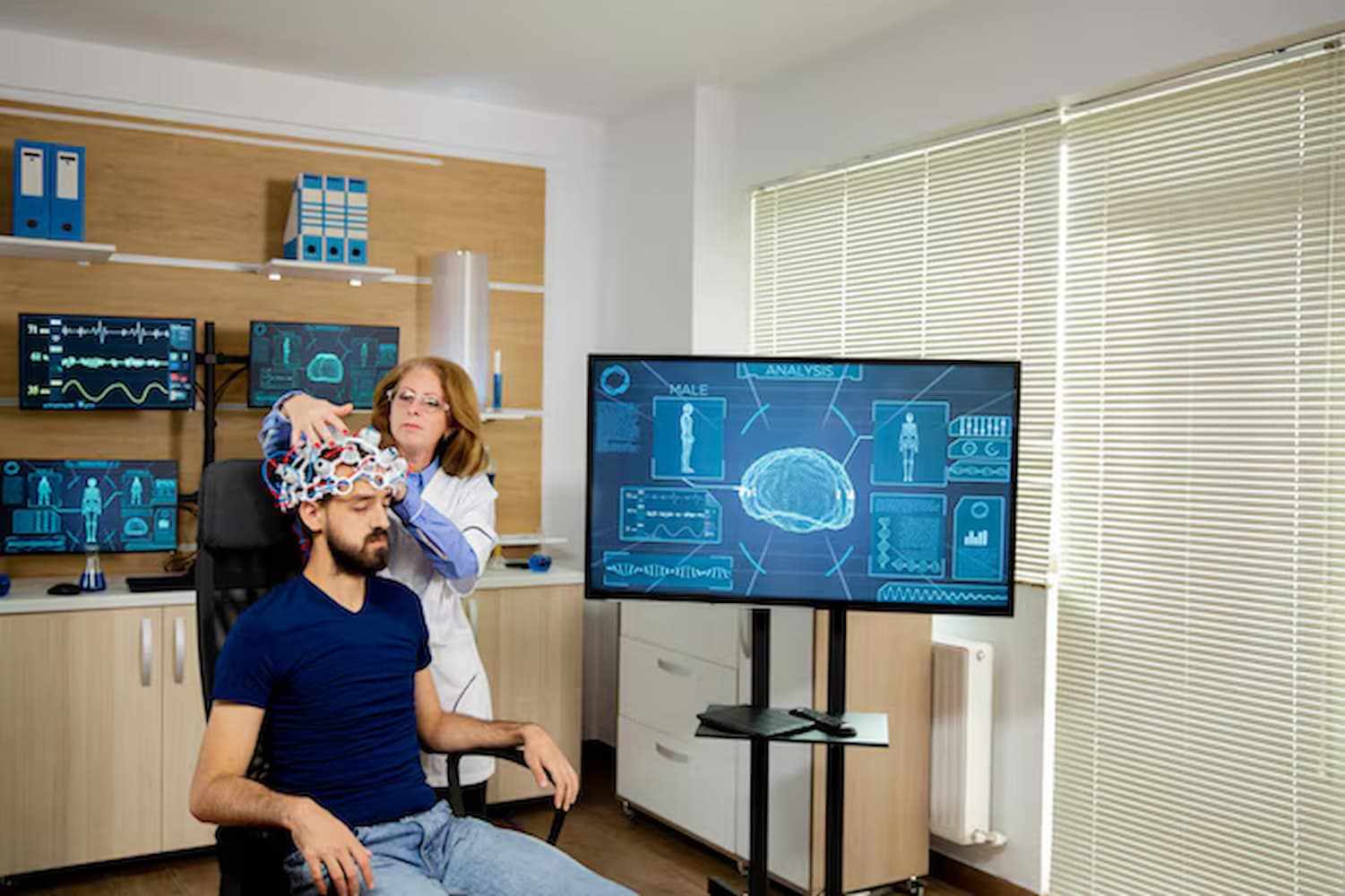
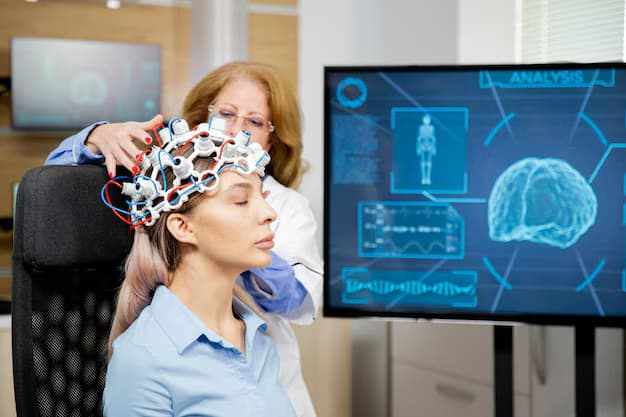
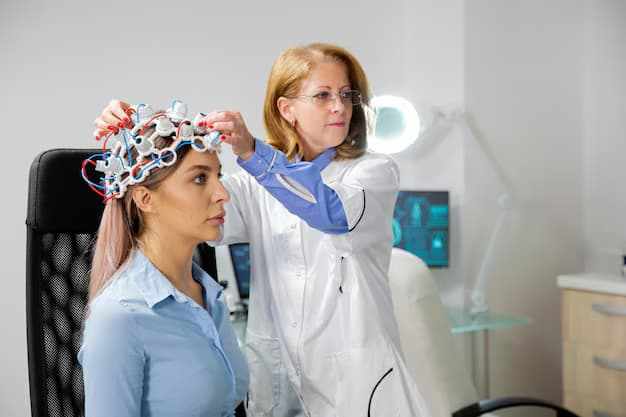
TMS therapy uses a magnetic coil placed gently against the scalp. The coil delivers controlled magnetic pulses that pass through the skull and stimulate nerve cells in the brain.
Each treatment session typically lasts between 20 and 40 minutes. During the session, individuals remain awake and alert. Mild tapping or clicking sensations may be felt, but the procedure is generally well tolerated.
Over time, repeated stimulation helps strengthen communication between brain cells. This can lead to improved mood, better focus, and a reduction in depressive symptoms.
The Science Behind TMS Therapy
Depression is often associated with decreased activity in certain areas of the brain, particularly those responsible for mood control and decision-making. TMS therapy targets these underactive areas and encourages healthier brain activity.
By repeatedly stimulating these regions, TMS helps the brain develop new neural connections. This process supports long-term changes in brain function, which can lead to lasting improvement in depressive symptoms.
This science-based approach is one of the reasons tms depression therapy albany is becoming more widely recognized as an effective treatment option.
Who Can Benefit From TMS Depression Therapy?
TMS depression therapy may be recommended for adults who have been diagnosed with major depressive disorder and have not responded well to traditional treatments.
Individuals who may benefit include those who:
Have tried antidepressant medications without success
Experience side effects from medication
Prefer a non-medication treatment option
Want a therapy that does not interfere with daily activities
A thorough mental health evaluation is required to determine whether TMS depression therapy Albany is appropriate for each individual.
Types of TMS Depression Therapy Available in Albany
Several forms of TMS therapy are available, allowing treatment to be customized based on individual needs.
Standard Repetitive TMS
Standard repetitive TMS is the most commonly used type of TMS therapy. It delivers magnetic pulses at a steady rhythm to specific brain regions involved in mood regulation.
This approach has been widely studied and is known for its effectiveness in reducing depressive symptoms over time.
Deep TMS
Deep TMS reaches deeper and broader areas of the brain compared to standard TMS. It may be recommended for individuals with more complex or long-standing symptoms.
This method allows for wider stimulation and may offer additional benefits for certain individuals.
Accelerated TMS Programs
Accelerated TMS programs involve more frequent sessions over a shorter period of time. These programs are carefully structured to ensure safety and effectiveness.
They may be helpful for individuals seeking quicker symptom relief or those with limited availability for long-term scheduling.
What to Expect Before and During Treatment
Knowing what to expect can help individuals feel more comfortable about starting TMS therapy.
Initial Evaluation
Before beginning treatment, a comprehensive mental health evaluation is conducted. This includes reviewing medical history, previous treatments, and current symptoms.
This evaluation ensures that tms depression therapy albany is a safe and appropriate option.
Treatment Sessions
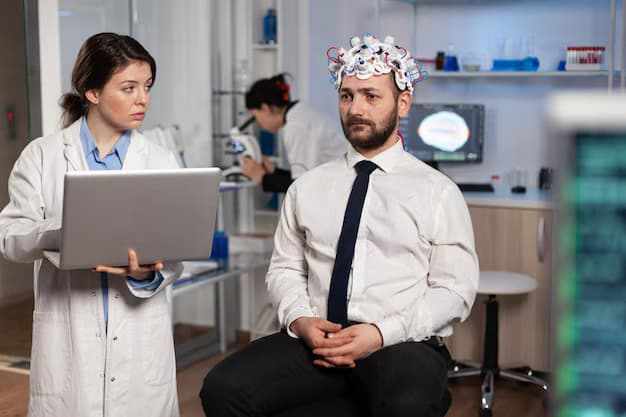
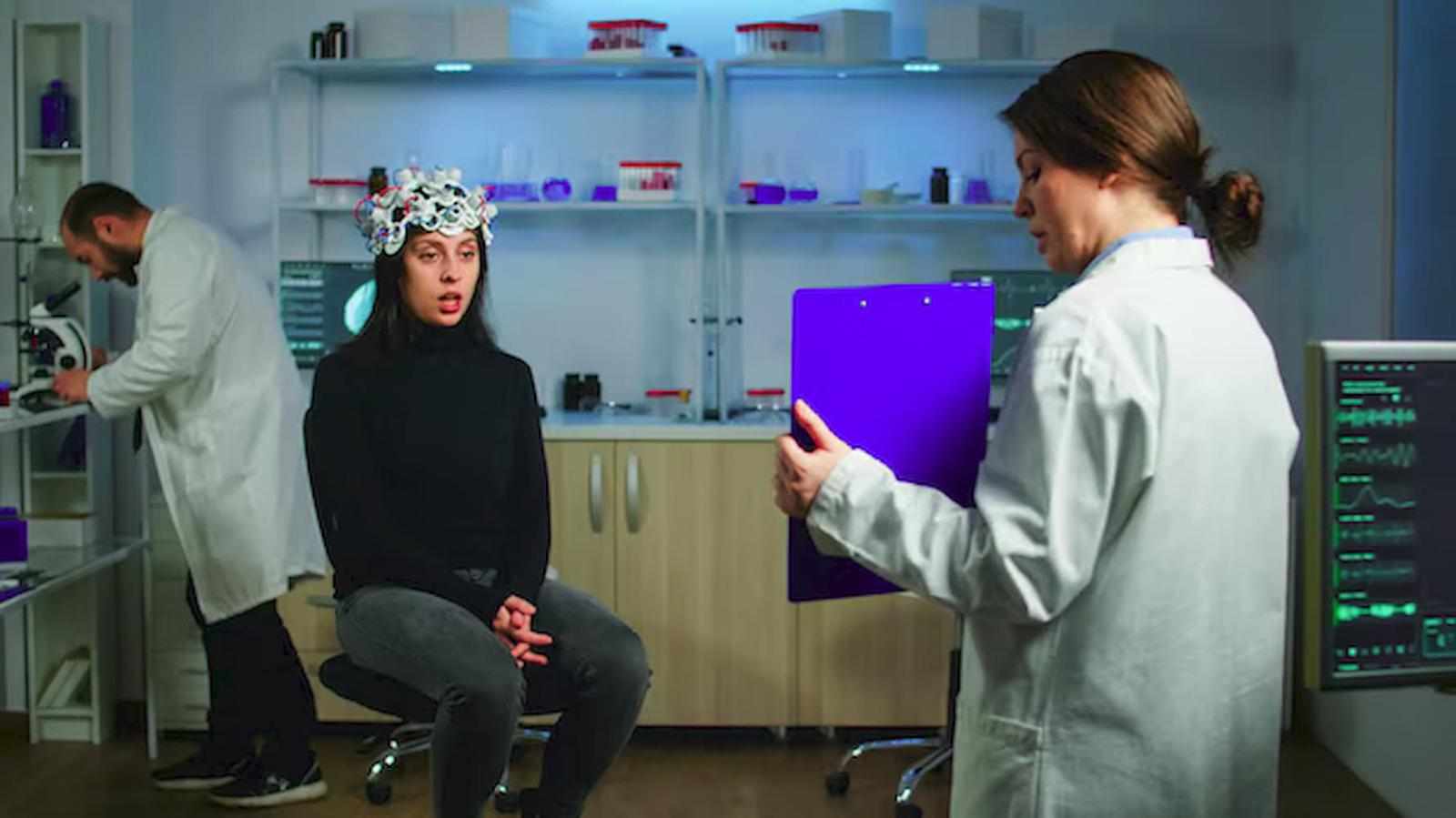
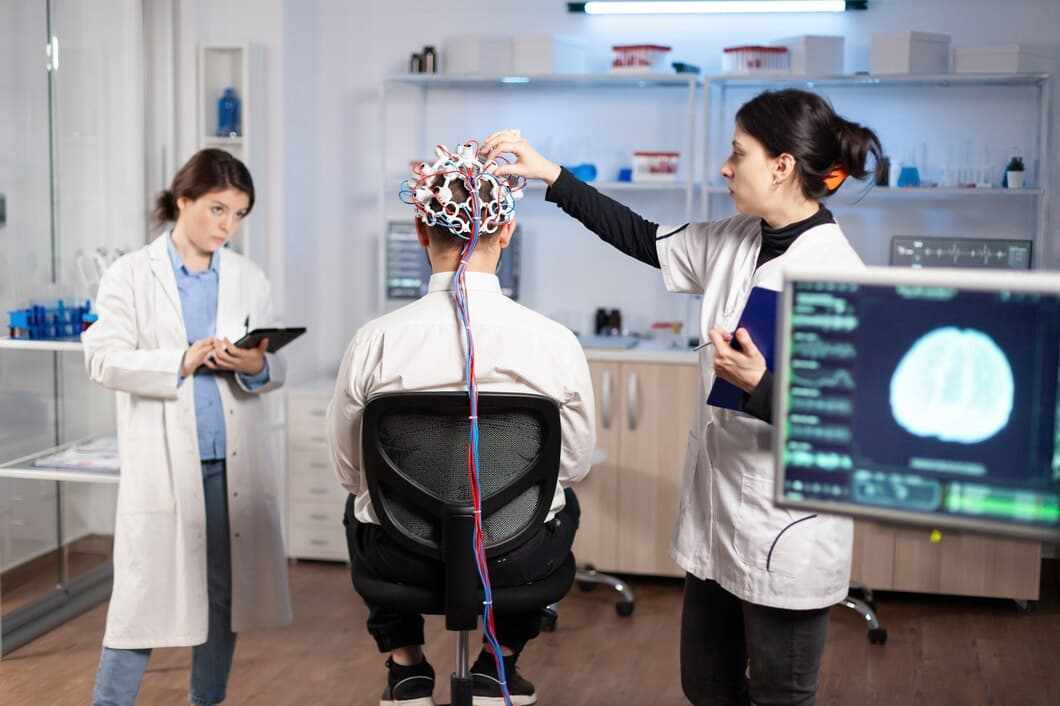
During each session, the individual sits comfortably in a chair while the magnetic coil is placed on the head. Gentle tapping sensations may be felt during stimulation.
Sessions are usually scheduled five days a week over several weeks, depending on the treatment plan.
After Each Session
There is no downtime required after TMS therapy sessions. Most individuals return to their normal activities immediately after treatment.
Effectiveness of TMS Depression Therapy
Many individuals experience improvement in depressive symptoms during or after completing a full course of TMS therapy. Improvements may include better mood, increased energy, improved concentration, and greater emotional stability.
The effectiveness of tms depression therapy albany has been supported by clinical research and patient outcomes, especially for individuals with treatment-resistant depression.
Results vary from person to person, but many individuals experience meaningful and lasting symptom relief.
Safety and Side Effects
TMS therapy is considered safe and well tolerated when administered by trained professionals. Most side effects are mild and temporary.
Common side effects may include mild scalp discomfort, temporary headaches, or tingling sensations during treatment. These effects often decrease after the first few sessions.
Serious side effects are rare, making TMS a suitable option for many individuals.
How Long Do the Results Last?
The duration of results from TMS depression therapy varies depending on individual factors. Many people experience relief that lasts for several months or longer.
Some individuals benefit from maintenance sessions, while others continue to experience improvement without additional treatment. Ongoing mental health care and healthy lifestyle habits can help maintain positive results.
TMS Depression Therapy Compared to Other Treatments
Compared to antidepressant medications, TMS does not require daily dosing and is less likely to cause whole-body side effects. Unlike talk therapy, which focuses on emotional processing, TMS directly targets brain activity.
When compared to electroconvulsive therapy, TMS does not require anesthesia and does not involve memory loss, making it a more comfortable option for many individuals.
Final Thoughts on TMS Depression Therapy in Albany
For individuals living with ongoing depression, tms depression therapy albany offers a science-backed, non-invasive treatment option that works by improving brain function. Its targeted approach, strong safety profile, and proven effectiveness make it a valuable choice for those seeking alternatives to traditional depression treatments.
With proper evaluation, personalized care, and professional support, TMS depression therapy can play an important role in reducing symptoms and improving overall quality of life.









Write a comment ...