
Depression can significantly disrupt everyday life making even simple tasks feel overwhelming. From reduced energy and motivation to difficulty concentrating and maintaining relationships the effects of depression often extend far beyond mood alone. While traditional treatments such as medication and psychotherapy are effective for many individuals others continue to experience limitations in daily functioning. For these individuals tms depression therapy albany has become an important option in supporting meaningful improvement and restoring quality of life.
Transcranial magnetic stimulation commonly known as TMS is a non invasive therapy that targets specific brain regions involved in mood and behavior. This article explores how tms depression therapy albany helps improve daily functioning by addressing the neurological aspects of depression and supporting long term recovery.
Understanding Daily Functioning and Depression
Daily functioning refers to the ability to manage routine activities responsibilities and social interactions. Depression can interfere with these abilities in multiple ways.
How Depression Affects Everyday Life
Depression often leads to persistent fatigue lack of motivation and difficulty focusing. These symptoms can make it challenging to complete work tasks maintain household responsibilities or engage in social activities. Over time this can lead to isolation reduced productivity and a sense of loss of control.
Emotional and Cognitive Barriers
Beyond physical fatigue depression affects emotional regulation and cognitive processing. Individuals may struggle with decision making memory and emotional responsiveness. These challenges can further impair daily functioning and create cycles of frustration and self doubt.
The Need for Effective Interventions
Improving daily functioning is a key goal of depression treatment. When traditional approaches do not provide sufficient improvement therapies like tms depression therapy albany offer a modern alternative that focuses on restoring healthy brain activity.
What Is TMS Depression Therapy and How It Works
TMS therapy is based on research showing that depression is associated with altered brain activity in specific regions related to mood motivation and executive function.
Targeting Brain Regions Involved in Functioning
TMS uses focused magnetic pulses to stimulate areas of the brain that are often underactive in individuals with depression. By encouraging healthier neural communication TMS supports improvements in mood cognition and behavior which are essential for daily functioning.
Non Invasive and Drug Free Approach
One of the distinguishing features of TMS therapy is its non invasive nature. It does not involve medication anesthesia or surgical procedures. Individuals remain awake during sessions and can resume normal activities immediately afterward making it practical for everyday life.
Gradual and Lasting Effects
TMS therapy is delivered over multiple sessions allowing cumulative effects on brain activity. These gradual changes support sustainable improvements rather than temporary symptom relief.
Who Can Benefit From TMS Depression Therapy in Albany
TMS therapy may be appropriate for a wide range of individuals whose daily functioning is affected by depression.
Individuals With Persistent Functional Impairment
People who continue to struggle with work relationships or self care despite ongoing treatment may benefit from TMS. This includes individuals with long term or recurrent depression.
Those Experiencing Medication Challenges
Some individuals experience side effects from antidepressant medications that interfere with daily functioning. TMS offers an alternative approach that avoids systemic medication effects.
Adults Seeking Structured Outpatient Treatment
TMS sessions are typically conducted on an outpatient basis allowing individuals to incorporate treatment into their regular schedules. This accessibility supports consistency which is important for functional improvement.
The TMS Treatment Process and Daily Life
Understanding how TMS fits into daily routines helps individuals plan and engage with treatment effectively.
Initial Evaluation and Personalized Planning
Before beginning therapy a thorough assessment is conducted to determine suitability and develop a personalized treatment plan. This ensures precise targeting of brain regions associated with the individuals symptoms.
What Happens During a Typical Session
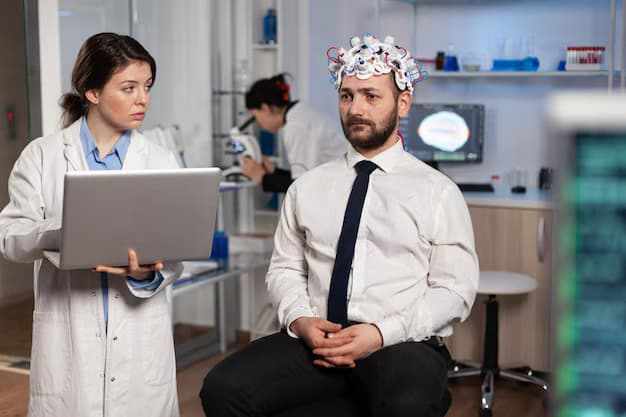
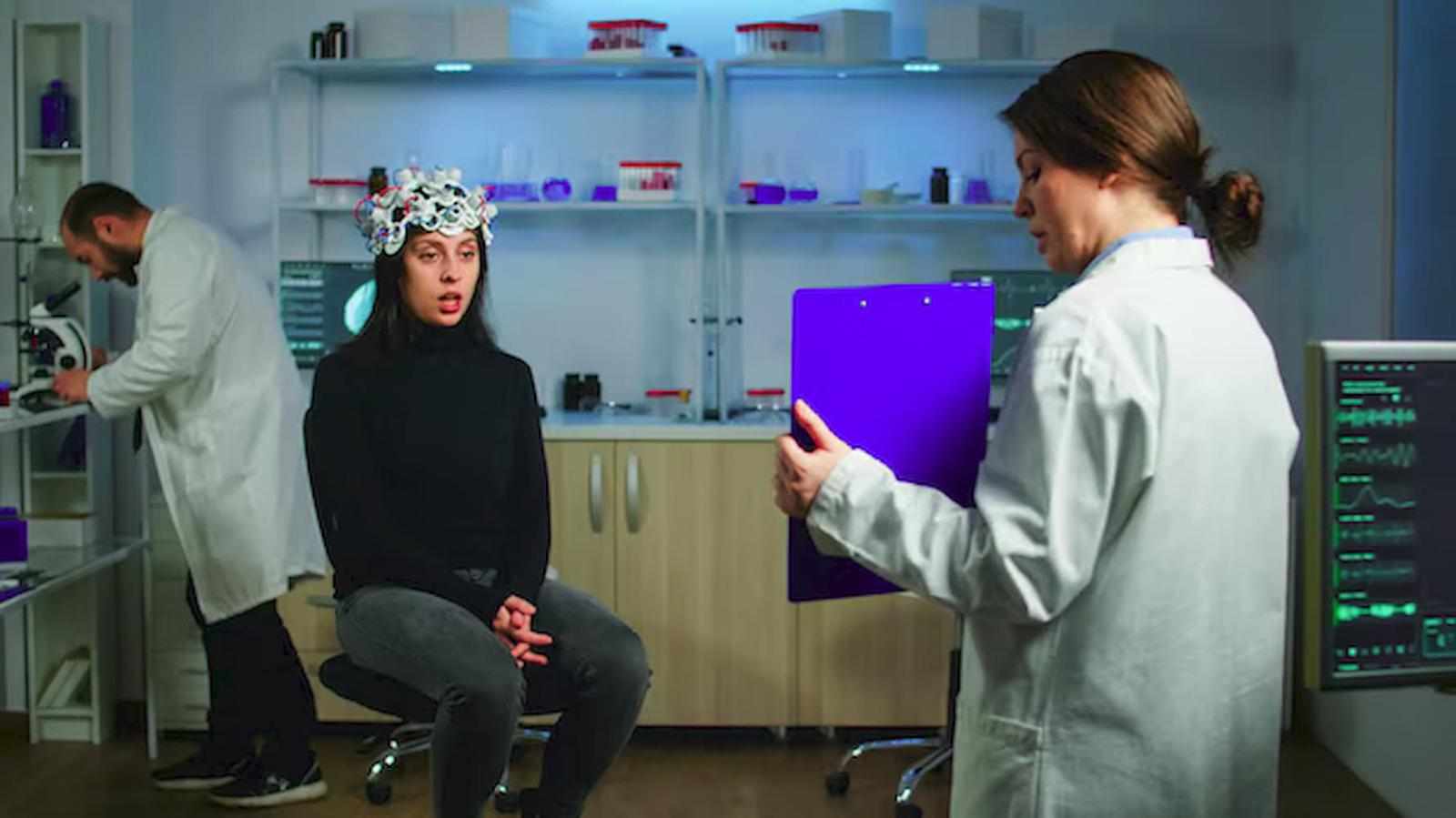
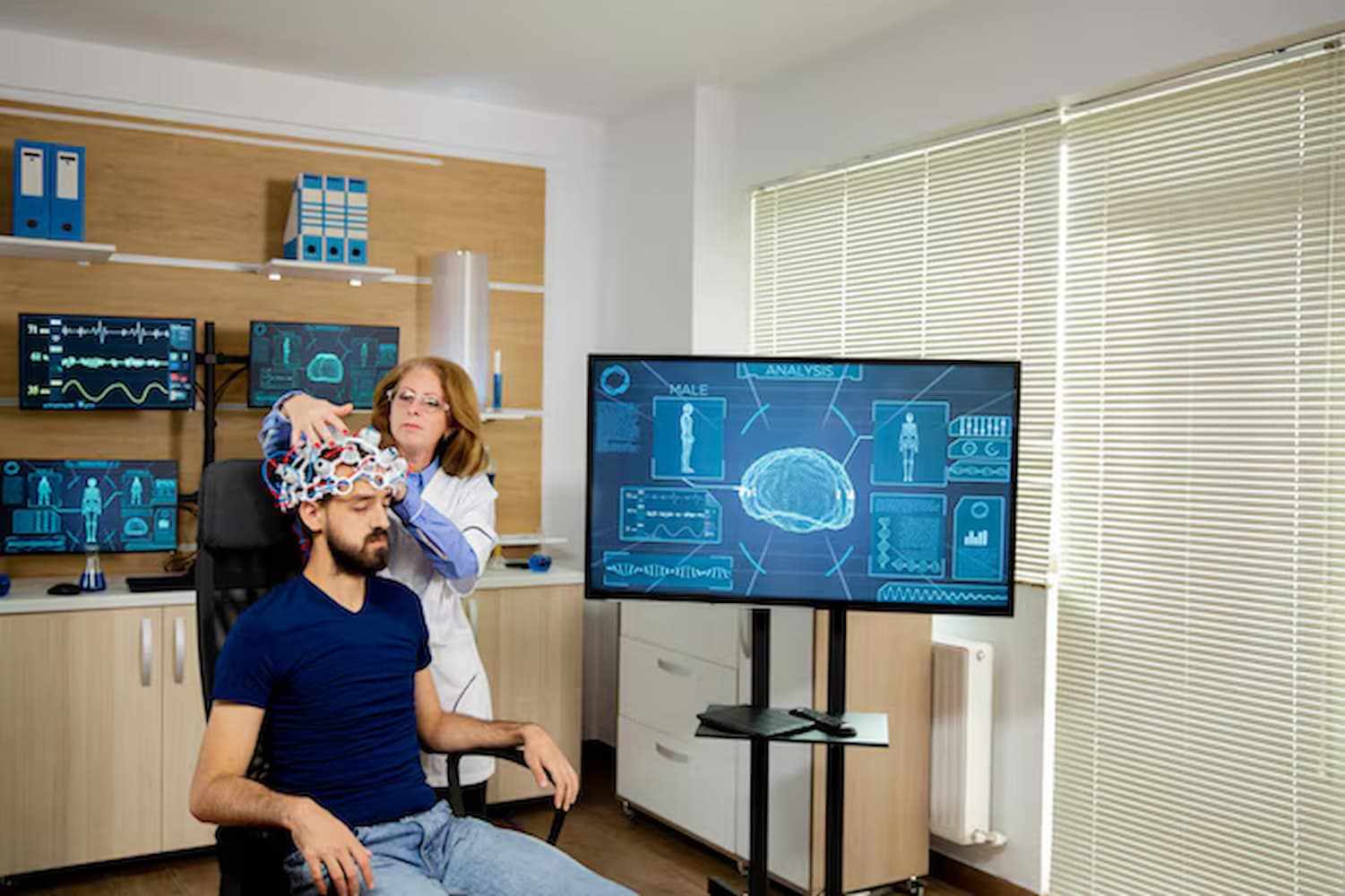
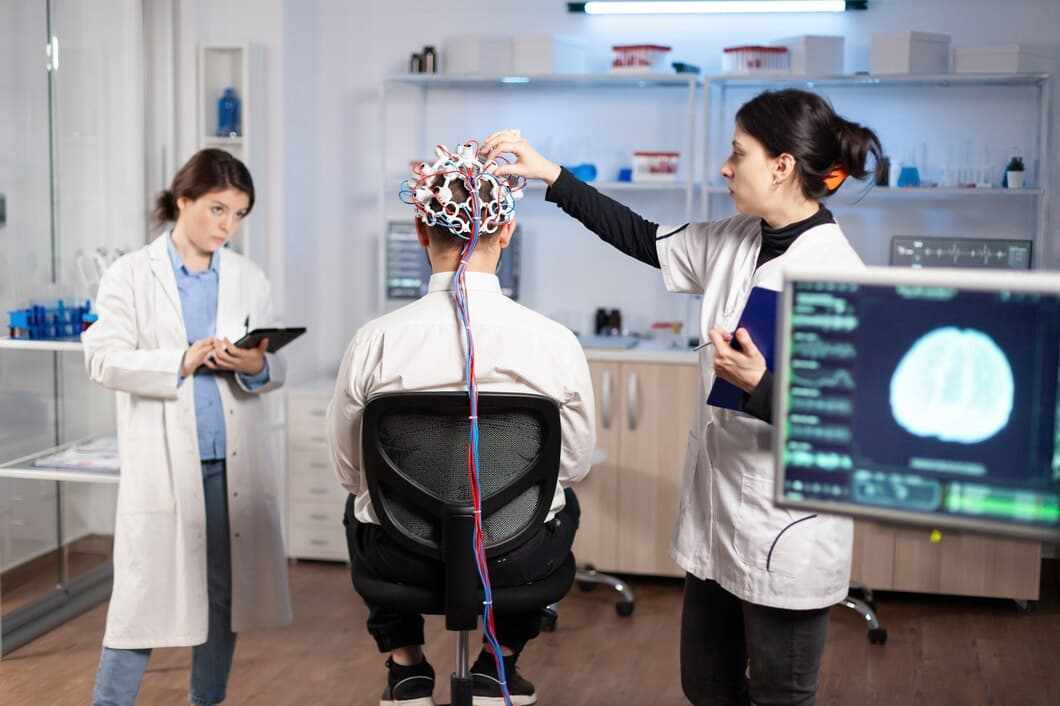
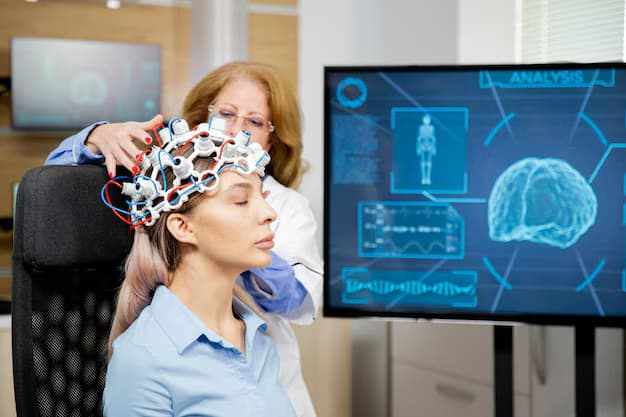
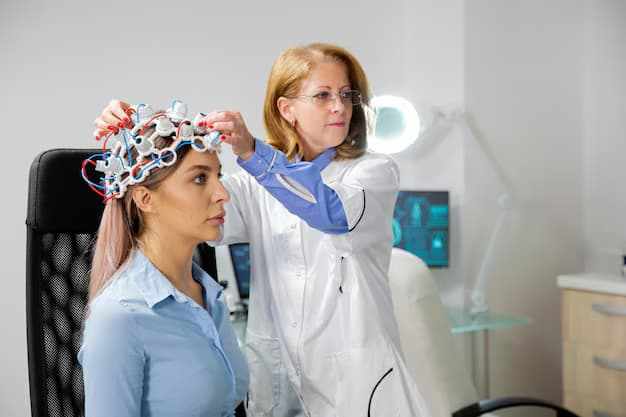
During each session the individual sits comfortably while a magnetic coil is positioned near the scalp. The device delivers rhythmic pulses that may feel like gentle tapping. Sessions usually last less than an hour and require no recovery time.
Balancing Treatment With Daily Responsibilities
Because TMS does not require downtime individuals can attend sessions and return to work or other responsibilities the same day. This flexibility supports adherence and minimizes disruption to daily life.
How TMS Improves Key Areas of Daily Functioning
TMS therapy supports improvements across multiple domains that contribute to overall functioning.
Enhanced Energy and Motivation
By stimulating underactive brain regions TMS can help reduce fatigue and apathy. Increased energy and motivation make it easier to engage in daily tasks and pursue personal goals.
Improved Concentration and Mental Clarity
Cognitive symptoms such as brain fog and difficulty focusing are common in depression. TMS may help improve attention and clarity supporting better performance at work and in daily decision making.
Emotional Regulation and Stress Response
TMS supports healthier emotional processing which can reduce irritability and emotional reactivity. Improved emotional regulation helps individuals manage stress and interpersonal relationships more effectively.
Re Engagement With Social and Occupational Roles
As symptoms improve individuals often find it easier to reconnect with social activities hobbies and professional responsibilities. This re engagement reinforces recovery and enhances overall wellbeing.
Safety and Tolerability of TMS Therapy
Safety is a key factor in choosing any treatment. TMS has been extensively studied and is generally well tolerated.
Common Side Effects
The most commonly reported side effects include mild scalp discomfort or headaches particularly during early sessions. These effects are usually temporary and diminish as treatment continues.
Minimal Impact on Daily Activities
Because TMS is non invasive and does not involve sedation individuals can drive work and exercise after sessions. This makes it compatible with maintaining daily routines.
Ongoing Monitoring and Support
Throughout treatment progress and comfort are regularly monitored. Adjustments can be made to ensure optimal outcomes and continued safety.
Integrating TMS With Broader Mental Health Support
TMS therapy is often most effective when combined with other supportive strategies that enhance daily functioning.
Combining TMS With Psychotherapy
Psychotherapy helps individuals develop coping skills address thought patterns and improve emotional awareness. When combined with TMS which targets brain function this integrated approach can enhance functional recovery.
Lifestyle Factors That Support Improvement
Healthy sleep nutrition physical activity and stress management play important roles in daily functioning. TMS can provide neurological support while lifestyle changes reinforce progress.
Planning for Sustained Functional Gains
After completing a course of tms depression therapy albany individuals may continue with follow up care or wellness planning. This helps maintain functional improvements and address challenges proactively.
Growing Recognition of TMS Depression Therapy in Albany
As mental health care evolves TMS therapy is gaining recognition as a valuable tool for improving daily functioning.
Evidence Supporting Functional Benefits
Research indicates that TMS not only reduces depressive symptoms but also improves functional outcomes such as work performance and social engagement. These benefits are particularly meaningful for individuals seeking practical improvements in daily life.
Personalized and Modern Approach
TMS therapy reflects a personalized approach to care that acknowledges the unique ways depression affects each individual. This modern perspective aligns with current mental health practices.
Increased Accessibility to Advanced Care
Greater availability of TMS allows more individuals to access advanced treatment options close to home. This accessibility supports earlier intervention and improved outcomes.
Conclusion
Depression can limit daily functioning in profound ways but effective treatment can restore independence purpose and engagement. For individuals seeking meaningful improvement beyond symptom reduction tms depression therapy albany offers a non invasive evidence based approach that addresses the neurological foundations of depression. By improving brain activity TMS supports better energy concentration emotional balance and overall daily functioning.
For those interested in comprehensive and advanced mental health care Pinnacle Behavioral Health provides TMS depression therapy services designed to help individuals regain confidence and improve daily functioning on their path toward lasting recovery.









Write a comment ...