Depression is one of the most common mental health conditions, and it can significantly affect a person’s ability to function in daily life. While many individuals benefit from traditional approaches like medication and talk therapy, some people do not find the relief they need through these methods alone. For those struggling with treatment-resistant depression, innovative solutions are becoming more widely available. One of the most promising options is TMS treatment for depression in Albany, a non-invasive therapy that is helping patients experience meaningful improvement and long-term recovery.

Understanding TMS Treatment
Transcranial Magnetic Stimulation, or TMS, is a non-invasive procedure that uses magnetic pulses to stimulate specific regions of the brain associated with mood regulation. By activating underactive nerve cells in the brain, TMS can reduce the symptoms of depression and improve overall mental well-being.
How TMS Works
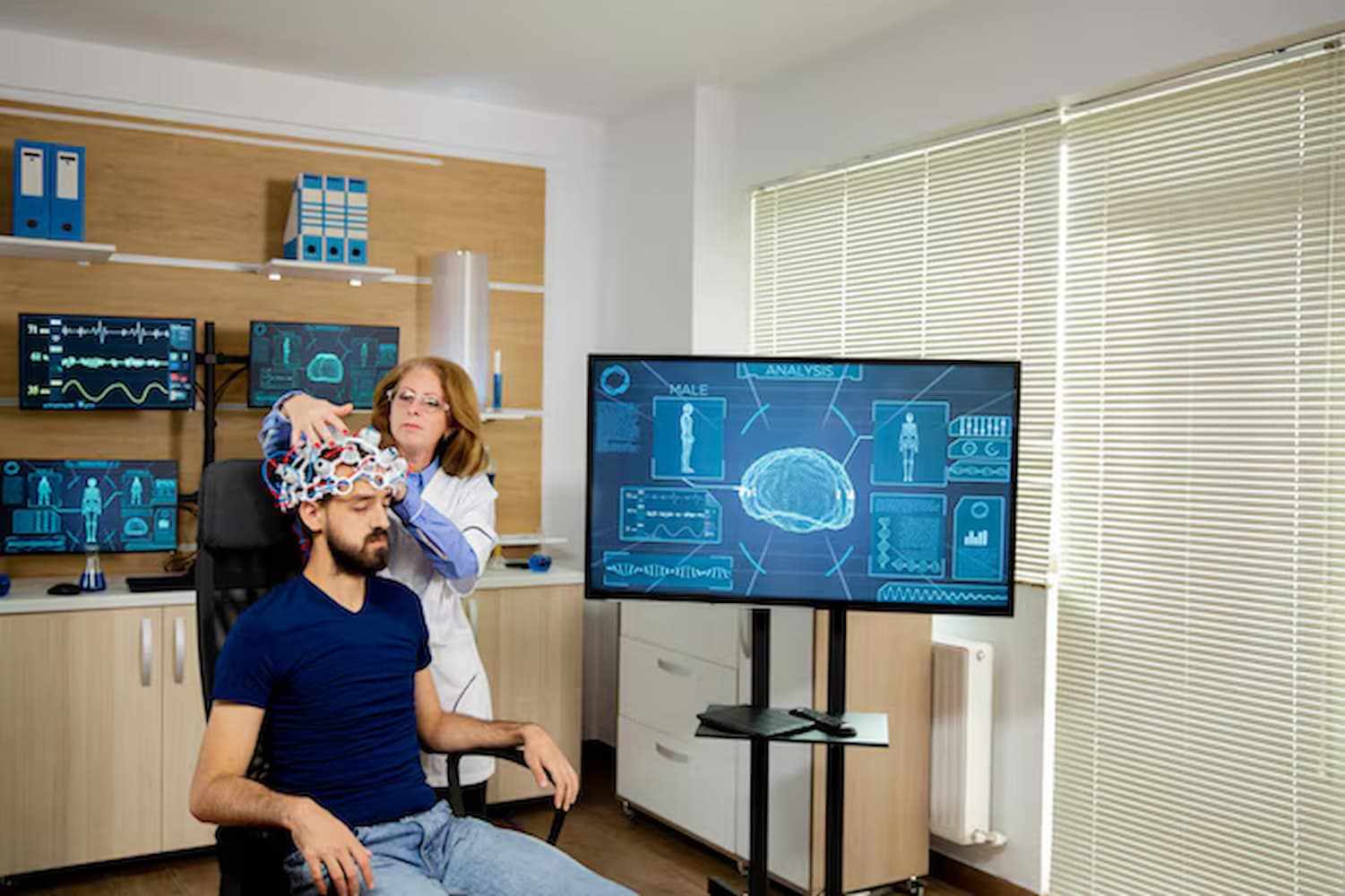
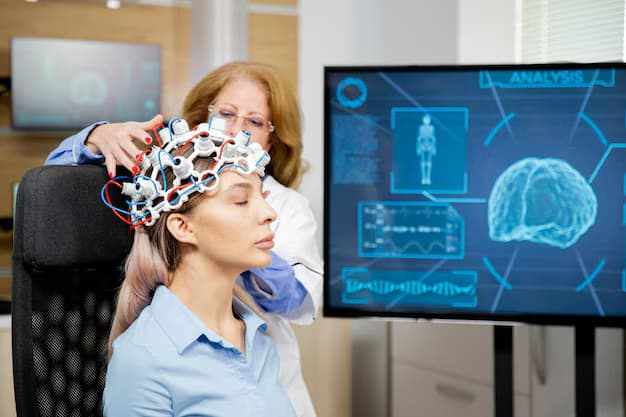
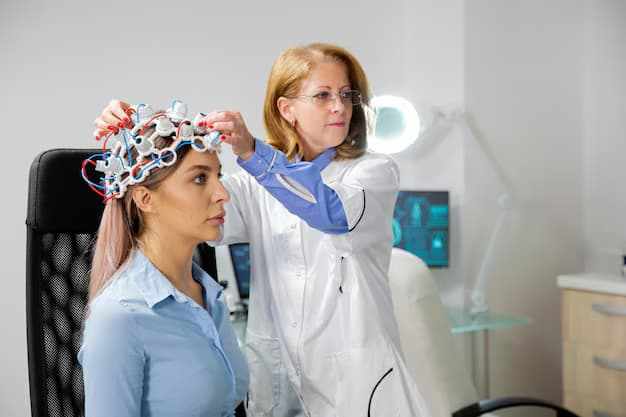
During a typical session, a device is placed near the patient’s scalp, delivering magnetic pulses to targeted brain regions, most often the prefrontal cortex. This area plays a critical role in controlling mood, and by stimulating it, TMS helps restore healthier patterns of brain activity.
Why TMS Is Different from Traditional Treatments
Unlike antidepressant medications, which alter brain chemistry, TMS works by directly stimulating brain function. This makes it an attractive option for patients who have not responded to medications or who wish to avoid drug-related side effects.
Key Benefits of TMS Treatment for Depression in Albany
1. Non-Invasive and Safe
TMS is completely non-invasive. It does not require surgery, sedation, or hospitalization. Patients remain awake and alert during each session and can return to their daily routines immediately afterward.
2. Minimal Side Effects
Unlike medications that may cause fatigue, weight gain, or digestive issues, TMS is associated with very few side effects. The most common effects include mild scalp discomfort or temporary headaches, which typically diminish as treatment continues.
3. Effective for Treatment-Resistant Depression
For individuals who have tried multiple antidepressants or therapy sessions without relief, TMS offers a new opportunity. Research shows that many patients with treatment-resistant depression experience significant improvements after completing a course of TMS therapy.
4. Long-Lasting Results
Another major benefit of TMS is its durability. Many patients report continued improvement in their mood and mental health long after their sessions are complete, making it a powerful option for sustainable recovery.
5. Improves Overall Quality of Life
By alleviating symptoms of depression, TMS can help patients regain energy, motivation, and enjoyment in daily life. This improvement extends to relationships, work, and overall emotional well-being.
What to Expect During TMS Treatment in Albany
Initial Assessment
Before beginning treatment, patients undergo a comprehensive evaluation. This ensures TMS is the right option based on their medical history, current symptoms, and past treatment experiences.
Treatment Sessions
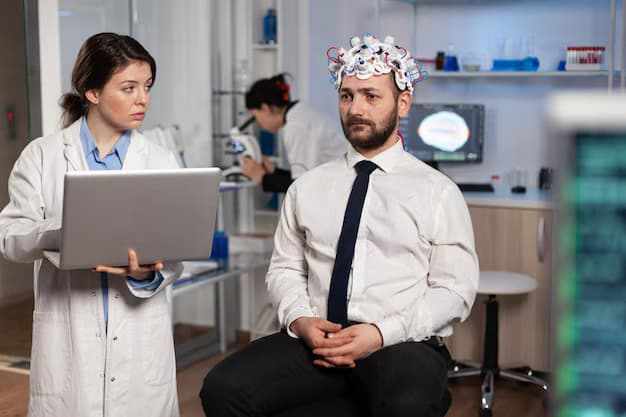
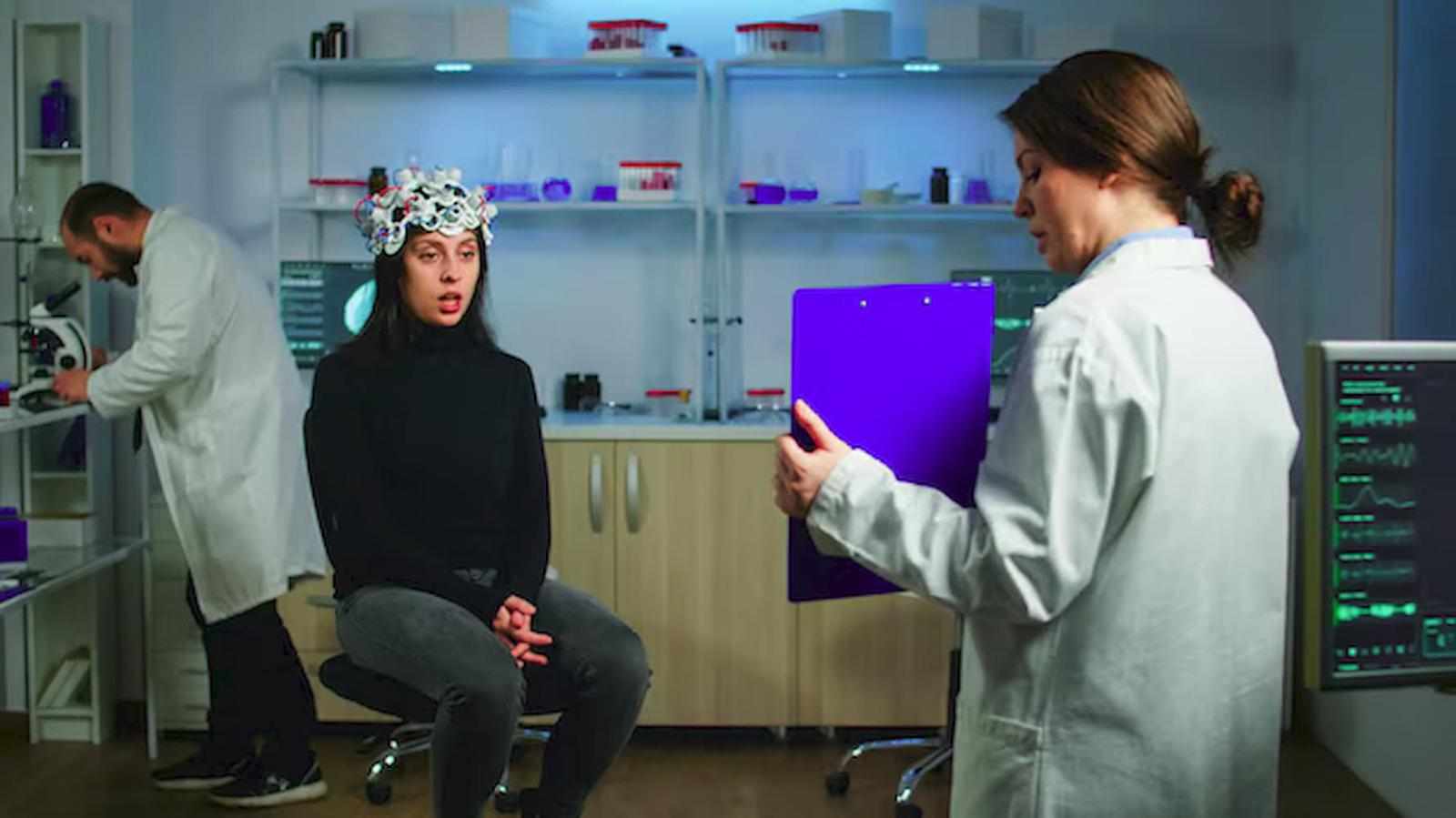
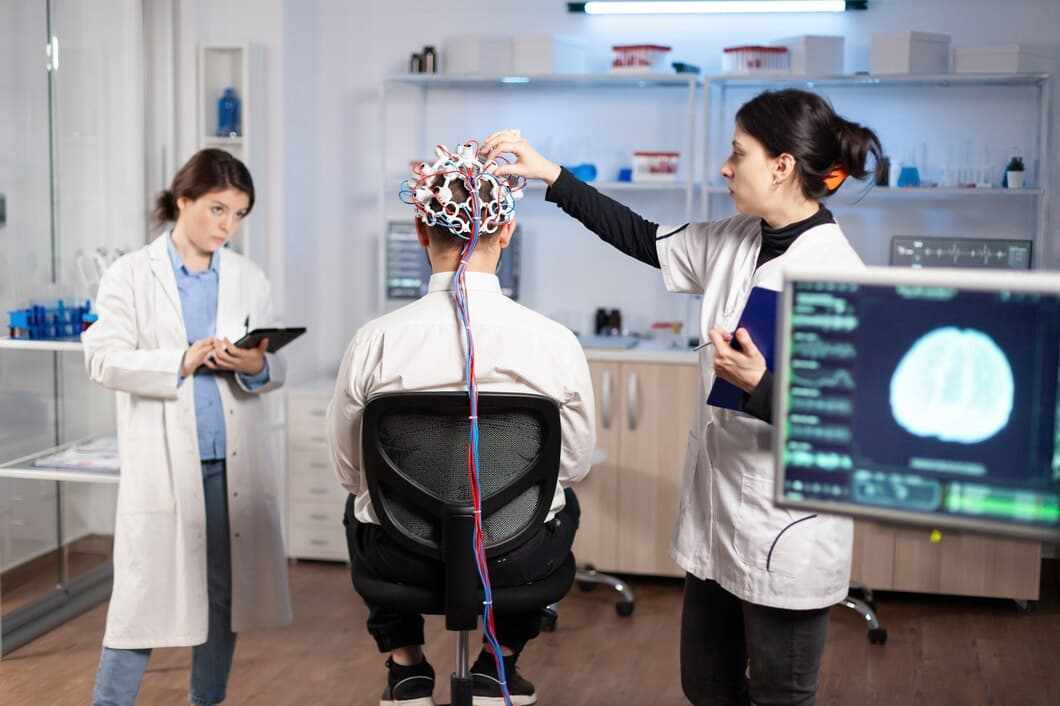
Each session typically lasts between 20 and 40 minutes. Patients sit comfortably while the device delivers gentle magnetic pulses. Many describe the sensation as light tapping on the scalp.
Treatment Schedule
Most treatment plans involve daily sessions, five days per week, for four to six weeks. The consistency of these sessions is key to achieving the best results.
Returning to Daily Life
Because TMS requires no recovery time, patients can drive themselves home and return to work or other activities immediately after treatment.
Who Can Benefit Most from TMS Treatment for Depression
While TMS is primarily used to treat major depressive disorder, it may also benefit individuals with related conditions.
Patients with treatment-resistant depression who have not improved with medications or therapy.
Individuals seeking drug-free alternatives who prefer to avoid side effects from long-term medication use.
Patients looking for sustainable improvement beyond short-term symptom relief.
The Impact of TMS on Mental Health Care in Albany
The availability of TMS treatment for depression in Albany is expanding options for mental health recovery in the community.
More Accessible Care
As awareness of TMS grows, more individuals can explore this option as a part of their treatment plan.
Reducing Dependence on Medications
By offering a non-drug alternative, TMS gives patients greater control over their treatment journey while minimizing medication-related challenges.
Strengthening Community Wellness
With more people achieving recovery through TMS, the overall well-being of the Albany community continues to improve.
The Future of TMS Treatment in Albany
As research progresses, TMS is being studied for other conditions such as anxiety, PTSD, OCD, and chronic pain. With advancements in technology, treatment times may shorten and effectiveness may increase, making TMS even more widely available in the future.
Conclusion
The rise of TMS treatment for depression in Albany is transforming how individuals find relief and recovery from mental health challenges. With its non-invasive design, minimal side effects, and proven success for treatment-resistant depression, TMS offers patients a chance to regain control of their lives. For those seeking innovative care and long-term wellness, Pinnacle Behavioral Health provides access to TMS treatment for depression in Albany, supporting patients on their path toward healing and recovery.










Write a comment ...