
Depression is a serious mental health condition that affects emotional balance, physical health, and the ability to function in everyday life. While many individuals respond well to traditional treatments such as medication and therapy, others continue to struggle despite multiple attempts at care. For these individuals, alternative treatment options may be necessary. One option that has gained increasing attention is TMS treatment depression Albany, a brain based therapy designed to help individuals who have not found relief through standard approaches.
Understanding who may benefit most from TMS treatment can help individuals and families make informed decisions about depression care. This article explores the types of individuals who should consider TMS treatment for depression in Albany, how the treatment works, and what factors may influence eligibility.
Understanding TMS Treatment for Depression
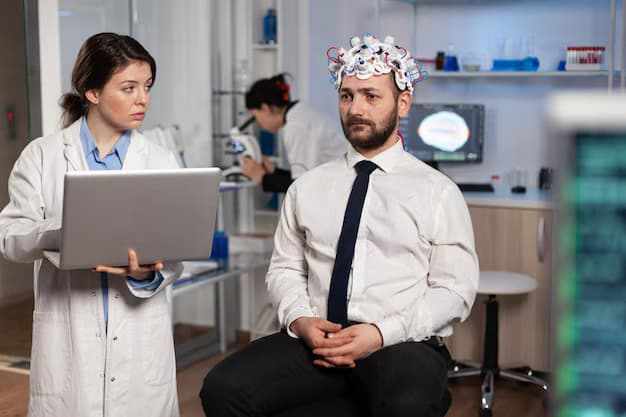
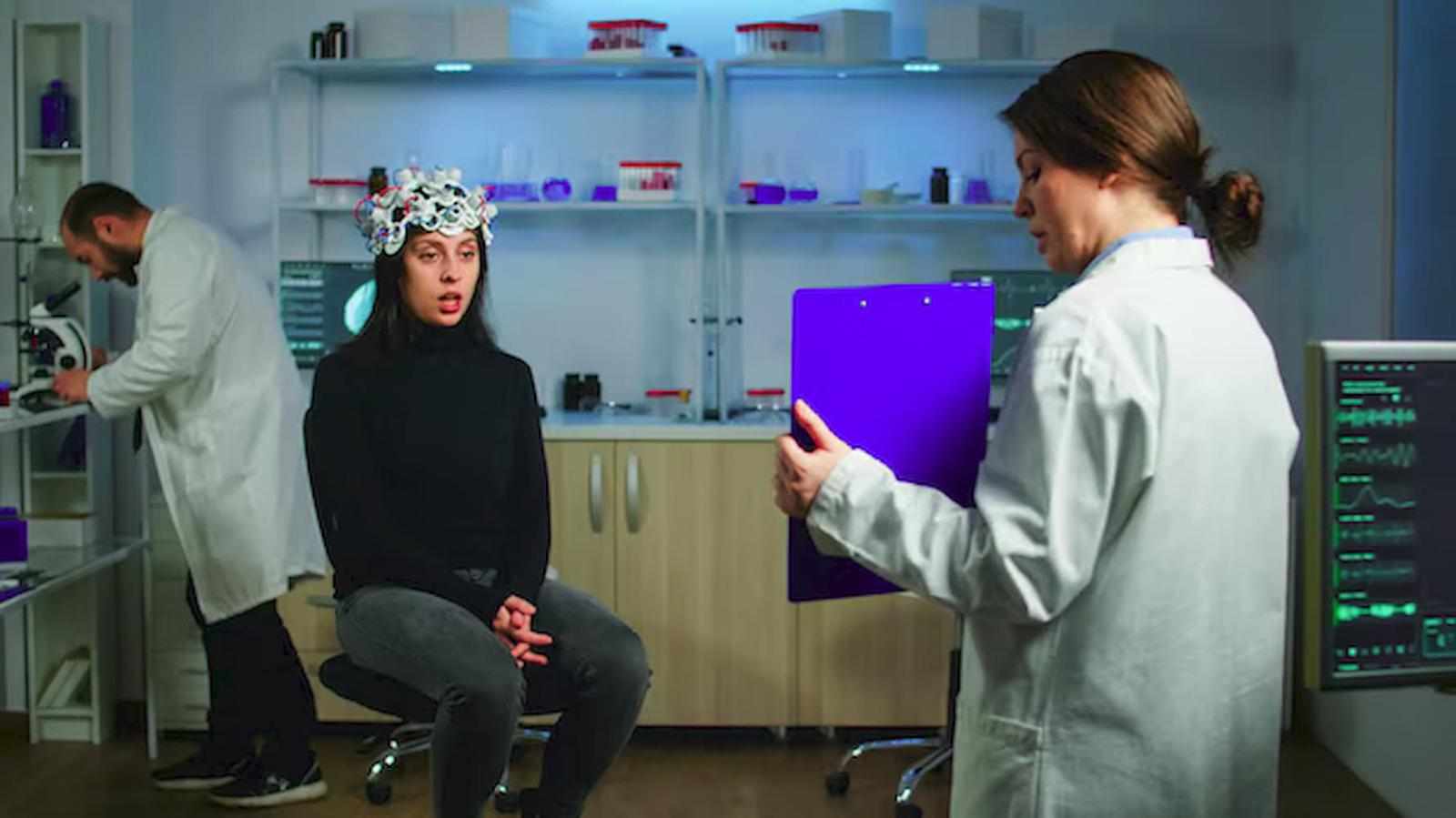
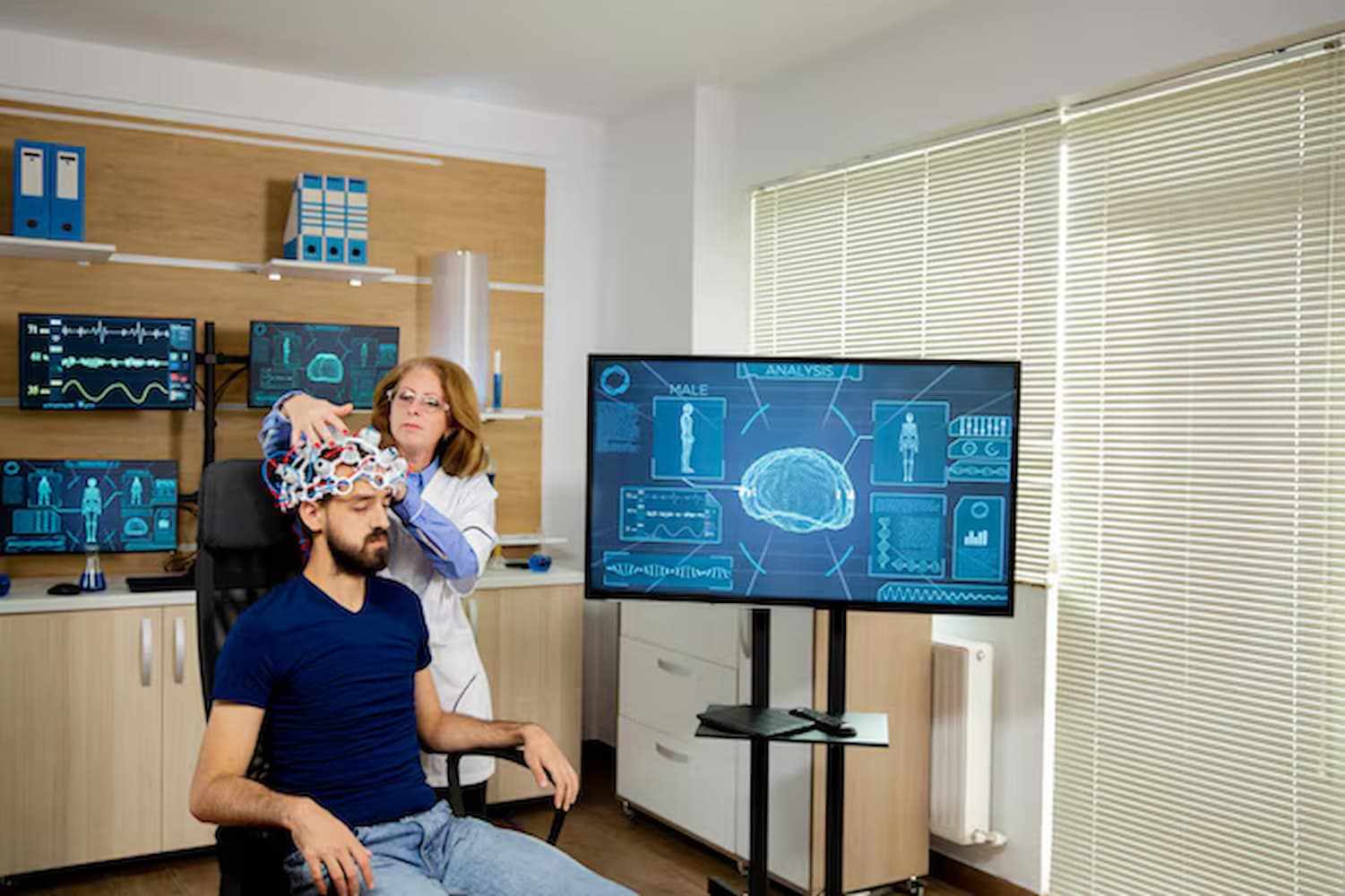
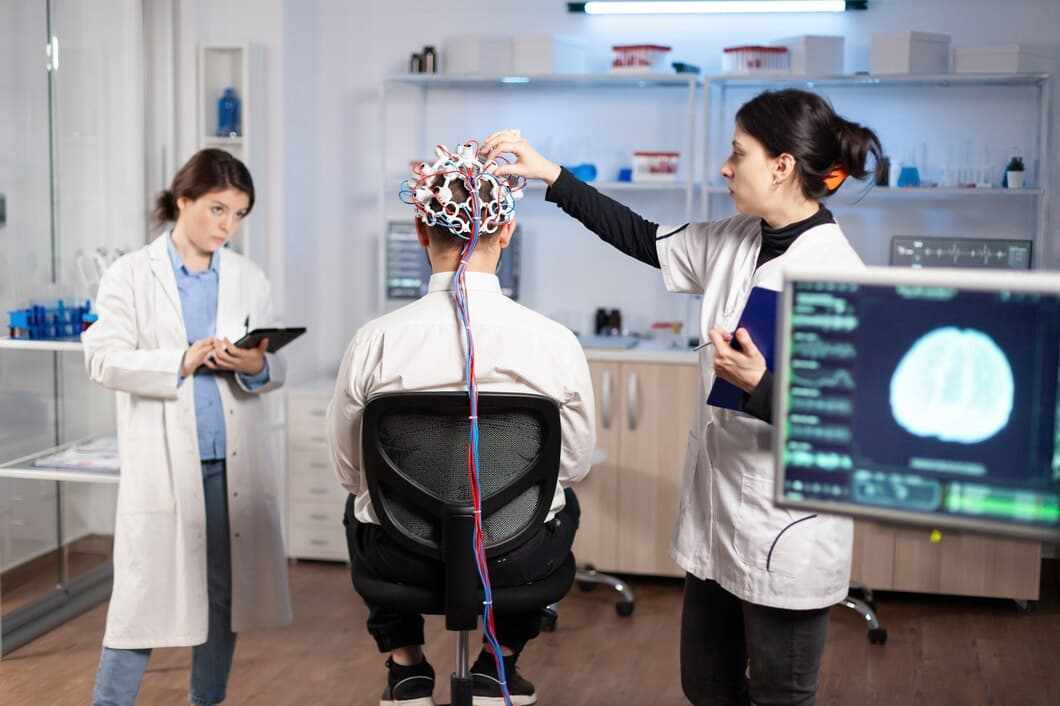
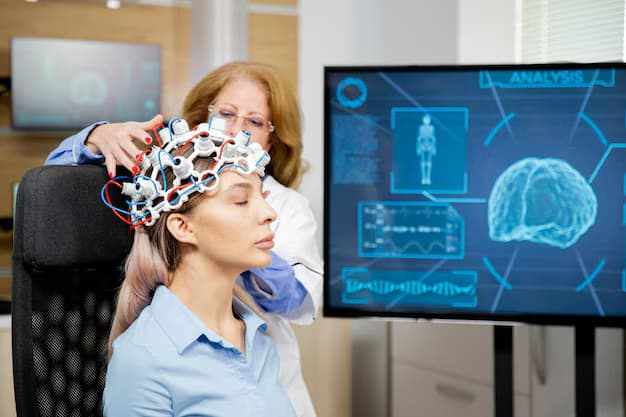
TMS stands for transcranial magnetic stimulation. It is a therapy that uses magnetic pulses to stimulate specific areas of the brain involved in mood regulation.
How TMS Treatment Works
TMS treatment depression Albany focuses on stimulating the prefrontal cortex, a region of the brain often underactive in people with depression. By delivering targeted magnetic pulses, the treatment encourages healthier communication between brain cells.
Unlike medication, which affects chemical levels throughout the body, TMS treatment directly targets brain activity linked to depressive symptoms. This targeted approach allows the treatment to address the neurological roots of depression.
What Makes TMS Treatment Different
TMS treatment does not require surgery, sedation, or daily medication use. Sessions are conducted while the individual is awake and alert, and normal activities can be resumed immediately afterward. This makes TMS treatment a practical option for many individuals seeking an alternative to medication.
Individuals with Treatment Resistant Depression
One of the primary groups who should consider TMS treatment for depression in Albany includes those with treatment resistant depression.
When Medication Has Not Worked
Treatment resistant depression generally refers to depression that has not improved after trying two or more antidepressant medications at appropriate doses. Many individuals in this situation feel discouraged after repeated medication changes without meaningful improvement.
TMS treatment depression Albany offers a different approach by targeting brain activity rather than chemical balance. This makes it a valuable option when medication alone has not provided relief.
Emotional Impact of Long Term Depression
Living with persistent depression can take a toll on self confidence, relationships, and daily functioning. For individuals who feel stuck or hopeless after years of treatment attempts, TMS treatment may offer renewed hope and a new path forward.
Individuals Who Experience Medication Side Effects
Another group that may benefit from TMS treatment includes individuals who cannot tolerate antidepressant medications.
Common Medication Challenges
Antidepressant medications can cause side effects such as fatigue, weight changes, sleep disruption, digestive discomfort, and emotional numbness. For some individuals, these side effects interfere with quality of life and outweigh the benefits of treatment.
TMS treatment depression Albany avoids many of these challenges because it does not involve medication circulating through the body. This makes it an appealing option for individuals sensitive to medication effects.
Medical or Personal Limitations
Some individuals cannot take antidepressant medication due to medical conditions or interactions with other prescriptions. Others may prefer to avoid long term medication use for personal reasons. TMS treatment provides an alternative option that does not rely on daily drug therapy.
Individuals Seeking a Drug Free Treatment Option
Many people are interested in managing depression without relying on medication whenever possible.
Preference for Non Medication Approaches
Some individuals prefer treatments that do not involve altering body chemistry. TMS treatment depression Albany aligns with this preference by using targeted brain stimulation rather than medication.
This approach allows individuals to explore depression treatment while avoiding concerns related to dependency, withdrawal symptoms, or long term medication use.
Supporting Personal Treatment Goals
Mental health care is most effective when it aligns with individual values and goals. For those who prioritize drug free treatment options, TMS treatment offers a scientifically supported alternative.
Individuals Able to Commit to a Structured Treatment Schedule
TMS treatment requires consistency to achieve optimal results.
Importance of Regular Sessions
TMS treatment depression Albany is typically delivered five days per week over several weeks. Each session lasts less than an hour, but regular attendance is essential for effectiveness.
Individuals who can commit to a structured schedule are more likely to benefit from treatment. This makes TMS treatment a good option for those who can plan consistent appointments into their routine.
Gradual Improvement Over Time
Improvement with TMS treatment is often gradual rather than immediate. Individuals who understand and accept this process may find the experience more manageable and rewarding.
Individuals Without Certain Medical Contraindications
While TMS treatment is safe for many people, it may not be appropriate for everyone.
Safety Screening and Evaluation
Before starting TMS treatment, individuals undergo a thorough evaluation to assess medical history and potential risk factors. Certain conditions, such as having metal implants near the head, may affect eligibility.
A qualified mental health professional determines whether TMS treatment depression Albany is appropriate based on individual health needs.
Importance of Professional Guidance
Proper screening ensures both safety and effectiveness. Individuals considering TMS treatment should seek professional evaluation to determine suitability.
Individuals Looking for Long Term Symptom Improvement
TMS treatment may be especially appealing to those seeking lasting relief from depression.
Potential for Sustained Benefits
Many individuals experience symptom improvement that lasts well beyond the completion of TMS treatment. While some may benefit from occasional maintenance sessions, others maintain progress without ongoing treatment.
This potential for long term benefit makes TMS treatment depression Albany an attractive option for individuals seeking more than temporary relief.
Supporting Ongoing Mental Wellness
When combined with therapy, stress management, and healthy lifestyle practices, TMS treatment can support continued emotional stability and overall mental wellness.
Individuals Engaged in Comprehensive Mental Health Care
TMS treatment is most effective when integrated into a broader care plan.
Complementing Therapy and Support
TMS treatment depression Albany is often used alongside psychotherapy and other supportive services. This combined approach addresses both the biological and emotional aspects of depression.
Individuals who are actively engaged in their mental health care may find TMS treatment enhances overall treatment outcomes.
Active Participation in Recovery
Successful treatment often involves active participation and open communication with mental health providers. Individuals who are motivated to explore new options and commit to care are well suited for TMS treatment.
Why TMS Treatment Is an Important Option in Albany
Access to advanced mental health treatments continues to expand, providing more choices for individuals with depression.
Growing Awareness of Brain Based Treatments
As understanding of brain function increases, treatments like TMS are gaining recognition for their effectiveness. TMS treatment depression Albany reflects this progress by offering a targeted approach based on neuroscience.
Expanding Opportunities for Personalized Care
Every individual experiences depression differently. TMS treatment provides another option for personalized care, allowing treatment plans to be tailored to individual needs and treatment history.
Conclusion
TMS treatment for depression in Albany may be an appropriate option for individuals with treatment resistant depression, those who cannot tolerate medication, or those seeking a drug free approach to mental health care. By directly stimulating brain regions involved in mood regulation, TMS treatment offers a targeted and effective alternative to traditional treatments. With proper evaluation and commitment to the treatment process, many individuals experience meaningful and lasting improvement.
For individuals considering advanced depression treatment options, professional assessment and personalized care are essential. Pinnacle Behavioral Health provides comprehensive mental health services and guidance for those exploring innovative treatments such as TMS treatment.










Write a comment ...