
Transcranial Magnetic Stimulation (TMS) has emerged as a vital option for individuals seeking lasting relief from depression, and in Albany communities this therapy is increasingly recognized as a well-tolerated, evidence-based approach. When residents search for local solutions, the query tms depression therapy albany signals a readiness to pursue treatments that combine scientific rigor with practical accessibility. From a third-person perspective, this article examines how TMS functions, who benefits most, what patients should expect, and how expanding access in Albany can translate into improved individual outcomes and stronger community health. The narrative is grounded in clinical evidence while attentive to real-world logistics, insurance trends, and patient experience elements that together shape whether TMS delivers durable emotional recovery.
Clinical Foundations and Evidence Supporting TMS
Researchers and clinicians point to a growing body of studies that validate TMS as an effective intervention for major depressive disorder, particularly in cases where standard pharmacotherapy has failed to produce sufficient improvement. Randomized controlled trials and meta-analyses have demonstrated meaningful response and remission rates among carefully selected patients, and regulatory approvals have reflected consistent evidence of benefit. For Albany residents confronting persistent depressive symptoms despite prior treatment attempts, the evidence base provides a credible alternative: TMS targets dysfunctional neural circuits associated with mood regulation rather than relying solely on systemic medications, which often carry burdensome side effects. This targeted approach, validated by peer-reviewed journals and clinical guidelines, is one reason primary care providers and psychiatrists increasingly consider TMS as part of a stepped-care model for treatment-resistant depression.
Clinicians emphasize that patient selection matters. Those with a clear diagnosis of major depressive disorder, a documented history of inadequate response to antidepressant trials, and realistic expectations about the treatment course tend to achieve the best outcomes. Safety data are reassuring: common adverse effects are usually mild and transient, such as scalp discomfort or brief headaches, and serious complications are rare when protocols are followed. As Albany’s mental health professionals deliberate on therapeutic options, these clinical realities efficacy for appropriate candidates and a favorable tolerability profile make TMS a compelling choice for many seeking a durable path to emotional health.
Mechanism of Action: How TMS Recalibrates Mood Circuits
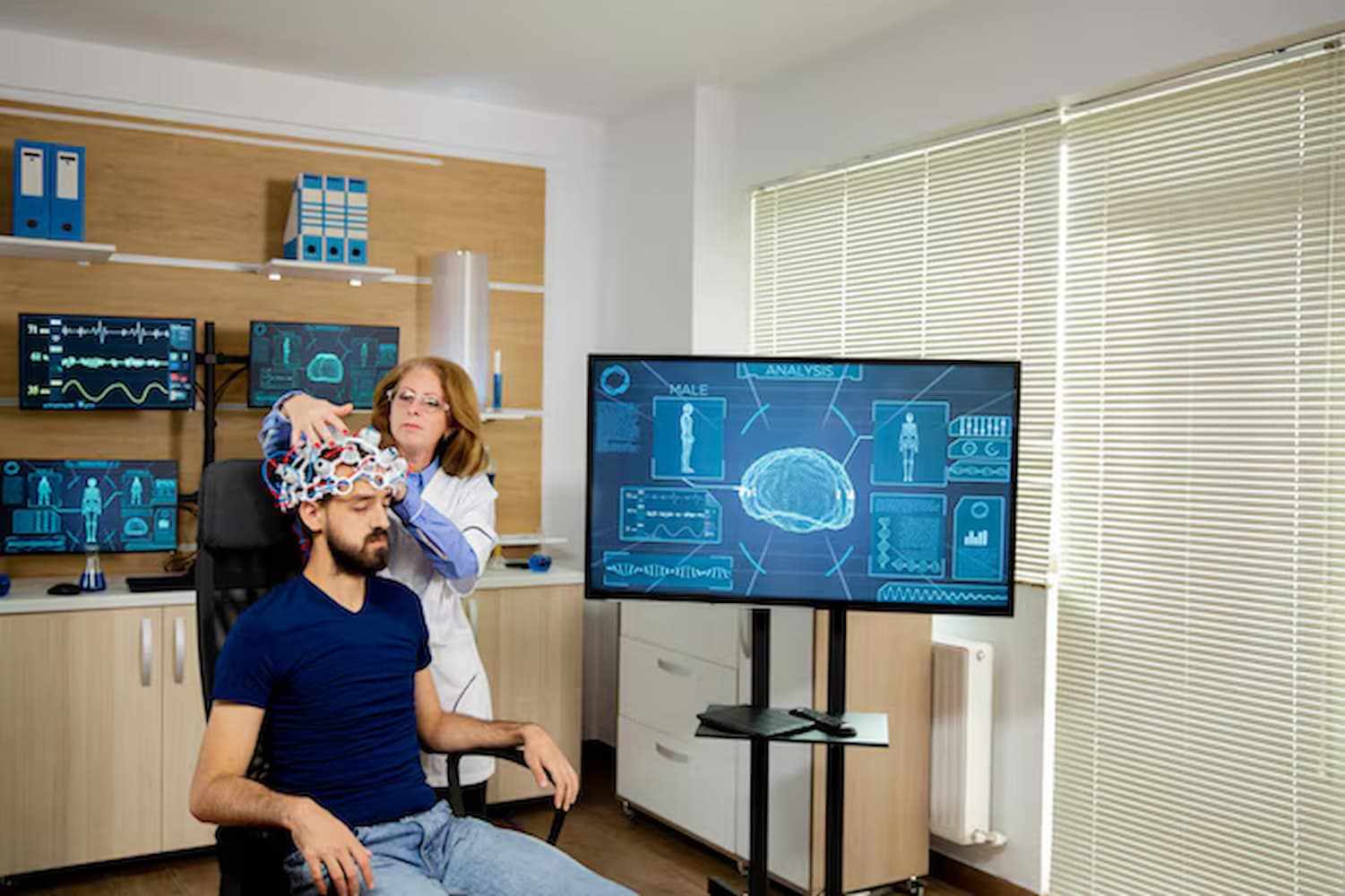
From a mechanistic viewpoint, TMS employs focused magnetic pulses to influence cortical excitability in brain regions implicated in depression, particularly the left dorsolateral prefrontal cortex. This neuromodulatory technique does not induce seizures nor does it require anesthesia; rather, it incrementally shifts neural activity patterns over repeated sessions, promoting adaptive connectivity and resilience in mood-related networks. For patients who have experienced the diffuse effects of systemic medications, this precision represents a paradigm shift: TMS localizes its action, thereby minimizing widespread side effects while directly addressing circuit dysfunction.
Clinicians explain that cumulative stimulation over a course of sessions often produces clinically observable changes in mood, cognition, and daily functioning. Unlike treatments that require substantial lifestyle disruption, TMS fits more seamlessly into regular life because it is delivered on an outpatient basis. Importantly, the nuance of stimulation parameters frequency, intensity, and session scheduling allows practitioners to individualize therapy based on clinical response. This flexibility, grounded in an understanding of neurobiology, gives Albany providers the tools to tailor interventions and optimize outcomes for diverse patient profiles.
Patient Experience and Practical Expectations
Individuals contemplating TMS in Albany typically seek clarity on the patient journey: what an initial evaluation entails, how long treatment lasts, and what outcomes are realistic. The typical pathway starts with a comprehensive assessment of psychiatric history, prior treatment attempts, and medical considerations, followed by an individualized treatment plan. Sessions are commonly administered five days per week for four to six weeks, though accelerated protocols and maintenance options exist for some patients. Most recipients report that sessions are well tolerated and that the structured schedule enables them to maintain work and family responsibilities, contrasting favorably with more disruptive interventions.
Expectations are managed through transparent communication: providers stress that while many patients experience substantial symptom reduction, time frames vary and some require adjunctive therapies or repeat courses to sustain improvement. The collaborative model integrating psychotherapy, medication adjustments when necessary, and lifestyle interventions supports long-term recovery. Families and caregivers often observe improvements in daily functioning and engagement, which reinforces the tangible benefits of treatment. In Albany neighborhoods where continuity of care and support systems are available, patients are more likely to convert initial symptom relief into lasting emotional health.
Accessibility, Insurance Trends, and Local Implementation in Albany
Access to TMS within Albany hinges on a combination of insurance coverage, provider availability, and community outreach. Over recent years, insurance acceptance has broadened, with many private payers and public programs recognizing TMS for treatment-resistant depression under defined clinical criteria. This evolution reflects a wider recognition of the long-term cost-effectiveness of effective interventions compared to repeated hospitalizations and chronic polypharmacy. Nevertheless, barriers remain: referral pathways can be uneven, and geographic distribution of treatment centers affects travel times for some residents. Addressing these disparities requires coordinated planning among clinicians, clinics, and local health systems to expand capacity and streamline referral processes.
Practically, Albany’s health leaders can enhance access by investing in clinician training, supporting telehealth pre-assessments, and integrating TMS services into broader behavioral health networks. Such measures reduce friction for patients and referring providers alike. When electronic health records and coordinated care pathways are used effectively, evaluation-to-treatment timelines shorten and more patients gain timely access to care. Community education initiatives that demystify the procedure and clarify insurance pathways also play a critical role in converting search intent often expressed as tms depression therapy albany into appointments and sustained engagement.
Long-Term Outcomes and Community-Level Impact
Beyond individual recovery, expanding TMS access holds measurable benefits for community health. Effective treatment reduces the frequency of acute psychiatric crises, emergency room visits, and inpatient admissions, producing downstream savings for local health systems. Restored functioning contributes to workforce stability and economic productivity, while improved social engagement enhances community cohesion. When family members and employers observe durable improvements in mood and performance, stigma surrounding advanced therapies diminishes, leading to greater acceptance and timely help-seeking.
Longitudinal studies suggest that many responders maintain improvements with appropriate follow-up care, including booster sessions when indicated. For Albany, prioritizing continuity of care through maintenance plans, accessible follow-up, and integrated behavioral health services maximizes the likelihood that individual benefits translate into sustained social and economic gains. The cumulative effect is a healthier, more resilient community where mental health care is responsive, effective, and normalized.
The Power of Accurate Local Content and Outreach
In an information-driven era, content shapes decisions. High-quality, locally relevant materials that explain clinical evidence, logistical steps, and patient experiences help residents make informed choices and reduce delays in care. Expertly crafted content, optimized for searchers using queries like tms depression therapy albany, not only educates but also channels motivated individuals to reputable local services. When content is precise, clinically grounded, and contextualized for Albany’s audience, it outperforms generic sources and effectively connects patients with appropriate care. This capacity to leave other websites behind is essential: in a crowded digital landscape, authoritative local content accelerates access, improves referral accuracy, and supports better outcomes by aligning expectations with reality.
Community outreach complements content by engaging primary care networks, mental health advocates, and local organizations to demystify TMS and clarify referral pathways. When systems work in tandem online information, streamlined referrals, and accessible treatment Albany residents gain equitable access to an evidence-based option that supports lasting emotional health.
Conclusion
For Albany communities seeking durable solutions to depression, TMS offers a scientifically grounded, patient-centered pathway that balances efficacy with tolerability and real-world practicality. By targeting maladaptive neural circuits, fitting within everyday routines, and integrating into comprehensive care plans, TMS enables many individuals to reclaim functioning and well-being. Expanding access through informed clinical pathways, improved insurance navigation, and clear local communication enhances both individual recovery and broader community resilience.
Pinnacle Behavioral Health encourages those ready to explore personalized options for recovery to take action today. Schedule a confidential consultation and discover how targeted TMS therapy can help restore balance and lasting emotional health reach out now to begin the next chapter toward well-being.











Write a comment ...